
Home Styling 101: How to Accessorize Like a Designer
The best home styling tips all point to the same truth: a room that looks “designed” almost never needs more furniture. It needs the last 10 percent, the accessories, and a smarter way of arranging what you already have. Most of us land on one of two extremes, bare surfaces that feel unfinished or cluttered ones that feel chaotic. The good news is that the gap between those two and a styled, intentional room is a repeatable formula, not a bigger budget.
This guide walks through that formula, the designer rules behind it, and a room-by-room method you can start tonight with things already in your house.
The One Formula Behind Every “Designed” Room
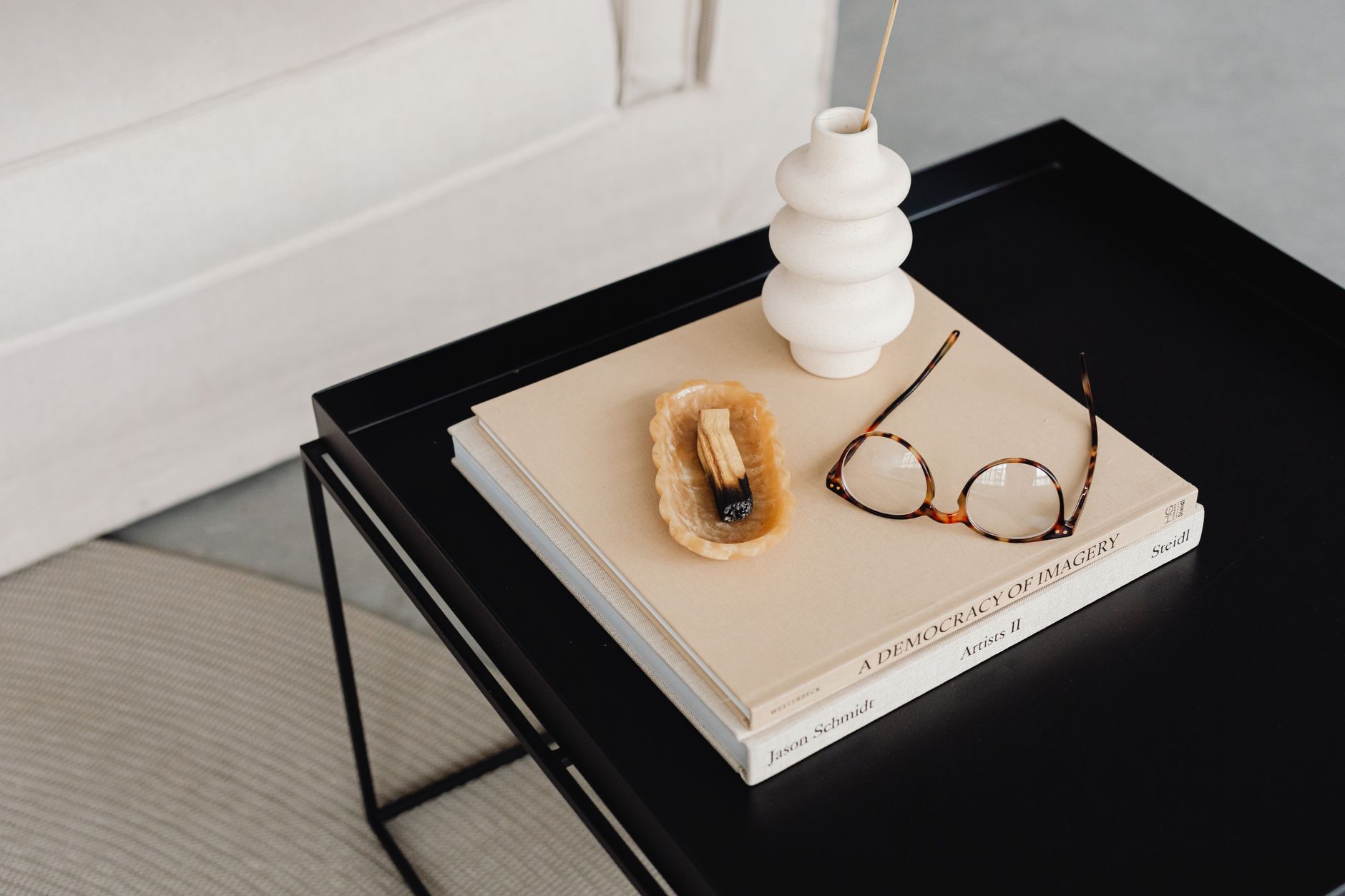 Photo by Kaboompics.com on Pexels
Every styled surface you admire, whether it’s a coffee table, a mantel, or a bookshelf, follows the same quiet recipe: Anchor, Height, Texture, Breathing room.
Start with one anchor piece that sets the mood for everything else on that surface, a stack of books, a sculptural bowl, a vase. Add height around it so the eye has somewhere to travel (low, medium, tall). Mix in at least two textures so nothing feels flat or matchy. Then stop before the surface is full, leaving visible empty space on purpose.
That’s it. It works on a shelf, a console, a nightstand, or a dining table runner. Learn this one sequence and you can stop memorizing a dozen disconnected “rules,” because most of them are really just this formula in disguise.
Start Here: Shop Your Own Home First
Before you buy a single new accessory, clear the surface completely. A blank slate is the only way to see what a space actually needs instead of guessing.
Next, do a “gather” pass. Walk through every room and pull any candidate object, vases, trays, framed photos, plants, bowls, candlesticks, onto one table or the floor. Having everything in front of you at once makes it dramatically easier to spot what works together than trying to remember what’s sitting in a closet two rooms away.
Finally, find the room’s focal point, a fireplace, a bed, a sofa, and style outward from there. Everything else in the room should feel like it’s supporting that focal point, not competing with it.
Shopping your own home first beats a trip to the store for three reasons: it costs nothing, it guarantees cohesion because the pieces already share your home’s palette and history, and it keeps the room feeling like yours instead of a showroom.
The Designer Rules That Make It Look Intentional
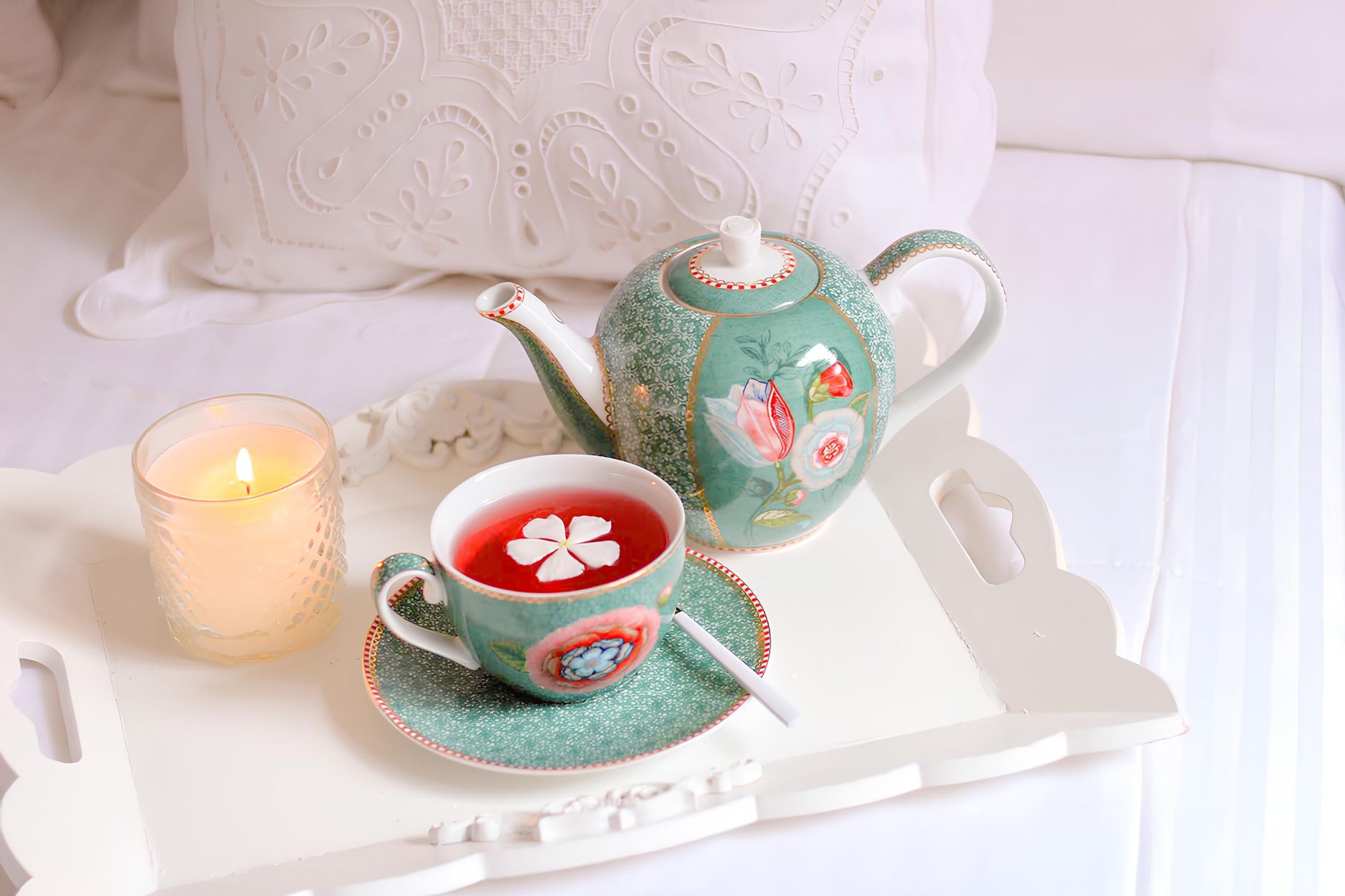 Photo by Silvia Macedo Decoracoes on Pexels
Once you’ve gathered your options, these are the principles that separate a staged-looking room from one that feels effortlessly curated.
The Rule of Three
Group objects in odd numbers, three, five, or seven. Odd groupings read as relaxed and collected over time, while even numbers (especially matched pairs) tend to look stiff and store-bought. A trio of candlesticks at different heights will almost always beat two identical ones lined up side by side.
Vary the Height
Flat surfaces where everything sits at the same level read as cluttered even when there isn’t much clutter at all. Use stacked books, trays, cake stands, or risers to build a low-medium-tall rhythm, then finish with one taller element, a branch, a lamp, a tall vase, to draw the eye upward.
Get the Scale Right
This is the single most overlooked mistake in accessorizing: objects that are too small for the room or the surface they’re sitting on. A tiny bud vase on a long console just disappears. Match the scale of your accessories to the size of the furniture and the room itself, and when in doubt, size up rather than down.
Mix Textures and Materials
Pair shiny with matte, hard with soft, smooth with woven. A ceramic bowl next to a linen-covered book, a metal tray under a wood candlestick. Texture variety is what keeps a vignette from feeling flat, even if every piece is the same color.
Work From a Limited Palette
Pick two or three colors and repeat them across the room’s accessories. This is what makes a collection of mismatched objects still feel cohesive, the colors tie everything together even when the shapes and materials don’t match.
Leave Negative Space
A surface with visible bare space doesn’t look unfinished, it looks considered. Resist the urge to fill every inch. Negative space is what gives the eye somewhere to rest, and it’s often the difference between “styled” and “overstuffed.”
Accessorize Room by Room
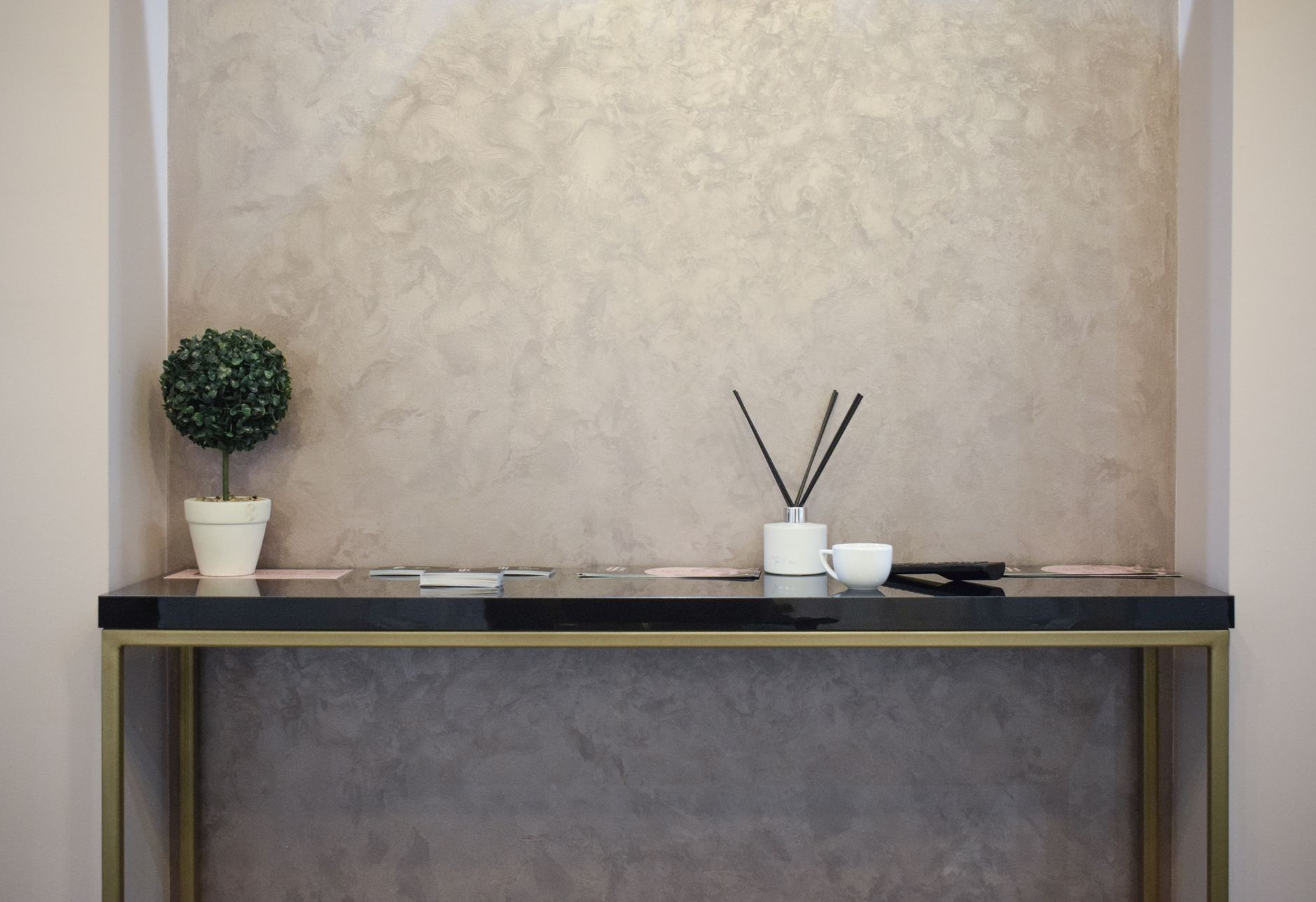 Photo by Alina Brashovski on Pexels
Living Room
The coffee table, console, and sofa are your three biggest opportunities. Try building coffee table styling vignettes using the anchor-height-texture-breathing room formula, try layering throw pillows in a mix of sizes and textures rather than a matched set, and give your console the same treatment: lamp, art, tray, and one living element.
Shelves and Bookcases
Styling a bookshelf comes down to the rule of three applied in a grid. When decorating with books, mix stacks lying flat with a few standing vertically, break up long runs of spines with small objects or bookends, and let a plant or sculptural piece interrupt the pattern every foot or two so it doesn’t read as one long wall of books.
Console and Entry Tables
Styling a console table earns its keep with four elements: a lamp for height and warmth, a piece of art or a leaning mirror behind it, a tray to corral smaller objects, and something living, a plant or a bowl of greenery, to keep it from feeling static.
Bedroom
Nightstands reward restraint more than any other surface in the house. A lamp, one or two personal objects, and a small stack of books is usually enough. Layer in a single textured element, a woven tray or a ceramic dish, and stop there. The bedroom is the one room where leaving extra negative space almost always looks better than filling it.
Plants and Greenery
A plant is the fastest way to warm up any surface, and it works in every single room. If you’re new to decorating with plants, start with one easy, forgiving variety per room rather than scattering several different kinds that need different care.
Common Accessorizing Mistakes (and the Quick Fix)
- Everything at one height. Add a riser, a stack of books, or one tall stem to break the flat line.
- Matched, symmetrical pairs everywhere. Swap one half of each pair for something different in an odd grouping instead.
- Objects too small and “sprinkled” around. Group small items together or replace them with one larger piece.
- Over-styled clutter, or the opposite, bare and unfinished surfaces. Aim for the negative-space middle ground: a few intentional groupings with visible empty space between them.
- Buying a matched decor “set.” Sets look staged the moment they’re unboxed. Collect pieces over time instead, and your home will read as curated rather than purchased all at once.
Style on a Budget: Where to Find Great Accessories
 Photo by Quang Nguyen Vinh on Pexels
You don’t need a big budget to style a room well, you need a few good pieces and a willing eye. Thrift stores and flea markets are full of ceramics, trays, and candlesticks that already have character. The books already on your shelves double as risers and texture. Branches, dried foliage, and stones from your own yard cost nothing and add an organic texture that’s hard to buy.
If you only have room in the budget for one thing, choose a single well-made statement piece, a sculptural bowl, a substantial vase, over a handful of cheap fillers. One good object will always read better than five mediocre ones.
Frequently Asked Questions
Where do I start when styling a room?
Clear the surface to a blank slate, find the room’s focal point, then style outward from it using pieces you already own before buying anything new.
What is the rule of three in home styling?
Group objects in odd numbers (3, 5, 7). Odd groupings read as relaxed and natural, while matched pairs tend to look stiff and staged.
How many accessories should a room have?
Enough to feel layered but not cluttered. Aim for a few well-chosen groupings with intentional negative space rather than filling every surface.
How do designers make accessories look expensive?
The right scale, varied height, mixed textures, a tight color palette, and one or two quality statement pieces instead of lots of small filler objects.
How do I accessorize on a budget?
Shop your own home first, then add from thrift stores, flea markets, books, and nature. Buy one good piece rather than many cheap ones.
What are the most common accessorizing mistakes?
Everything sitting at one height, matched symmetrical pairs, objects too small for the space, and either over-cluttering or leaving every surface bare.
How do I vary height when styling a shelf or table?
Use stacked books, trays, risers, and one tall element, a vase, branches, or a candlestick, to build a low-medium-tall rhythm across the surface.
Do my accessories need to match?
No. Matched sets look staged. Repeat a few colors and materials for cohesion, but collect varied pieces over time for a curated feel.
Pick One Surface Tonight
You don’t need a weekend or a shopping trip to see this formula work. Pick one surface, a console, a shelf, a single nightstand, clear it completely, and rebuild it with anchor, height, texture, and breathing room. Once you see it click on one surface, the rest of the house gets easier. For more decorating ideas and room-by-room styling guides, keep exploring Easy Home Updates, and come back as we add deeper dives into bookshelves, consoles, and every surface in between.


