
How to Decorate With Plants (Even If You Kill Them)
Decorating with plants is the single fastest way to make a room feel warm, layered, and lived-in. It is also, for a lot of us, the decor we have quietly killed. The fiddle leaf fig that dropped every leaf. The succulent that turned to mush. The herb pot nobody talks about anymore.
This guide is for that second group. You will get a copyable styling formula, a simple way to match plants to your light (the real reason most plants die), a shortlist of plants that genuinely survive neglect, and honest tricks for using faux plants without anyone noticing. The goal is a home that looks alive, whether or not you turn out to be a plant person.
The Styling Formula: Height, Grouping, and Containers (Copy This)
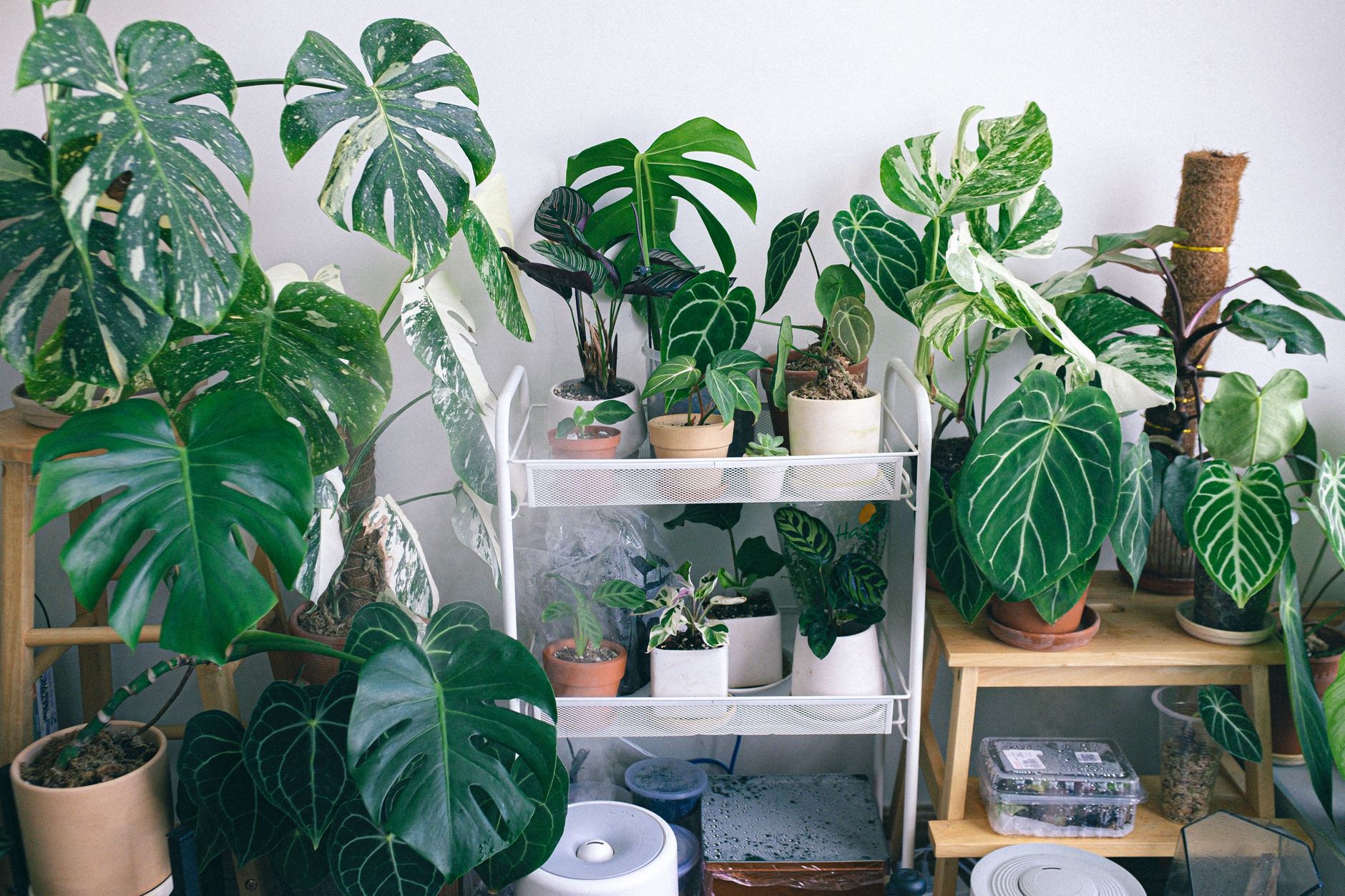 Photo by Huy Phan on Pexels
Most plant-filled rooms that look effortless follow the same three rules.
Group in Odd Numbers
Clusters of three (or five, in a bigger space) look full and natural. Pairs read stiff, and singles scattered around a room look like you ran out of ideas. If you only have one plant right now, that is fine: pair it with two non-plant objects, like a stack of books and a candle, so the grouping still reads as three.
Use a Low, Medium, Tall Rhythm
Within each grouping, give every plant a different height so your eye travels instead of stopping. A reliable combination:
- Tall: a floor plant around 3 to 5 feet, placed at the back or corner.
- Medium: a mid-size plant lifted on a plant stand or stool, 18 to 30 inches off the floor.
- Low: a trailing or tabletop plant at the front, spilling over the edge of its pot.
Aim for at least 6 inches of height difference between each one. If everything lands at the same level, a riser like a stool, an upturned basket, or a couple of hardcover books fixes it instantly.
Coordinate the Containers
Mismatched plants look intentional when their pots agree. Pick one thread and repeat it: all terracotta, all white ceramic, all woven baskets, or one color family. Vary the size and shape, but keep the material or color consistent.
The easiest polish trick: leave each plant in its plastic nursery pot and drop it into a decorative pot about 1 to 2 inches wider. It looks finished and keeps drainage simple. This is the same instinct behind good vignette styling: a few grouped objects at varied heights will always beat a scatter of singles.
Match Plants to Your Room’s Light (Not Just Your Style)
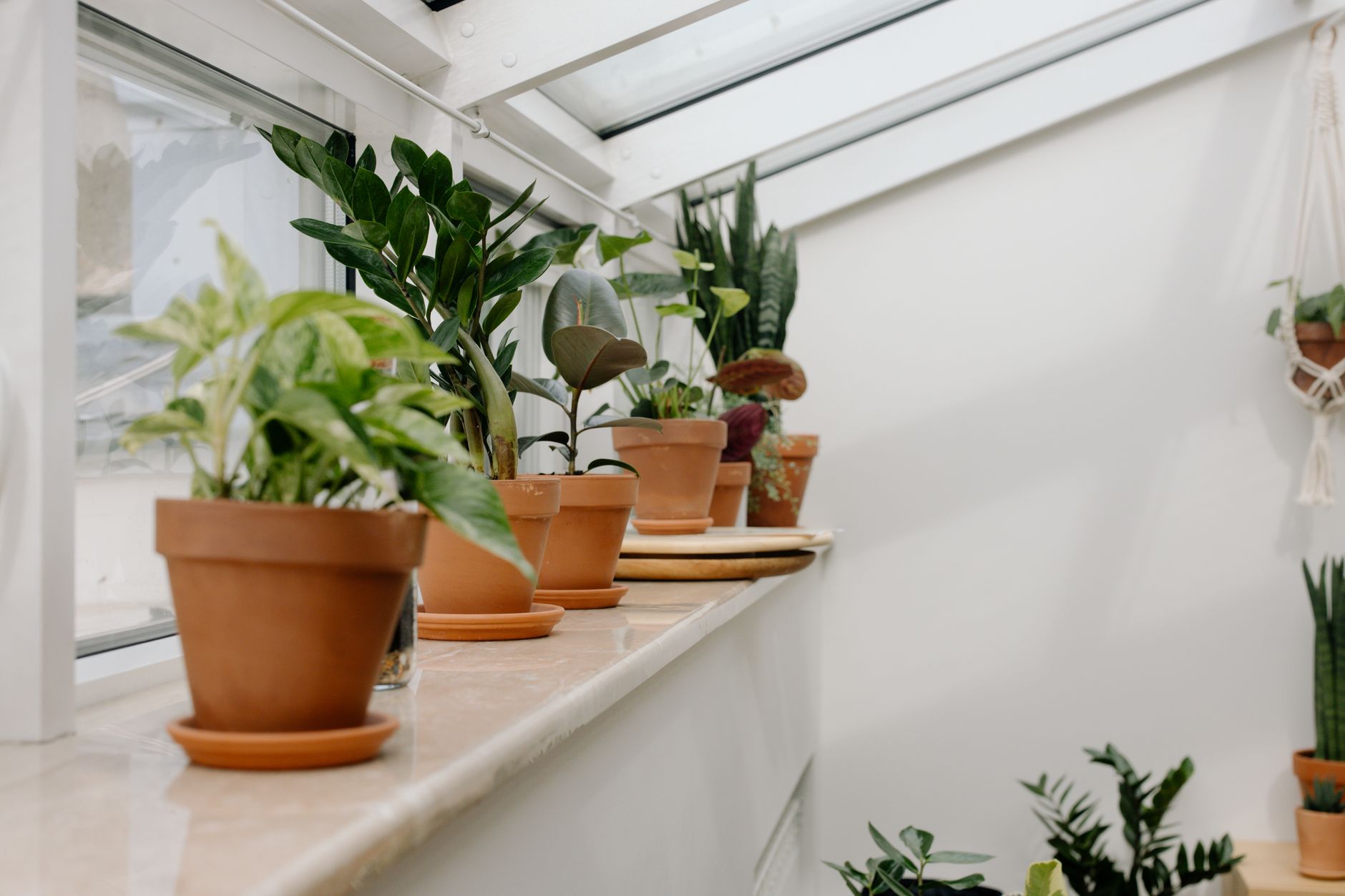 Photo by cottonbro studio on Pexels
Here is the honest truth about “I kill every plant”: it is usually the right plant in the wrong light. People pick a pretty spot, then a pretty plant, and the two never get introduced.
Read Your Light First
Try the shadow test. Around midday, hold your hand about a foot above the spot where you want a plant:
- Crisp, sharp shadow: bright light. Usually within a few feet of a south- or west-facing window.
- Soft, fuzzy shadow: medium or bright indirect light. Near an east window, or set back a few feet from a sunny one.
- Faint shadow you can barely see: low light. Often 8 or more feet from a window, or near a north-facing one.
- No shadow at all: this spot is a job for faux. No living plant will thrive there long term.
Match Plant to Spot, Not Spot to Plant
Start with where you want greenery, read the light, then choose a plant that likes those conditions. A dim dream corner just means a low-light plant or a convincing faux stand-in. Steamy bathrooms with a window are a bonus: humidity lovers like pothos and ferns thrive there.
Room-by-Room Ideas
- Entryway: a cast iron plant or snake plant beside the console table handles dim halls and drafts. No window at all? Go faux.
- Kitchen counter: a few pothos cuttings in a glass jar of water. They root on their own and are nearly impossible to kill.
- Bathroom sink or tub ledge: pothos or a small fern, as long as there is a window. Windowless bathrooms get faux.
- Reading nook: a medium floor plant tucked beside the chair makes the corner feel like a little retreat.
- Empty corner: one statement plant (more on that below) instead of another piece of furniture.
- Shelf or mantel: a trailing plant set at one end, letting the vines drape down the side.
Near-Unkillable Plants for Serial Plant Killers
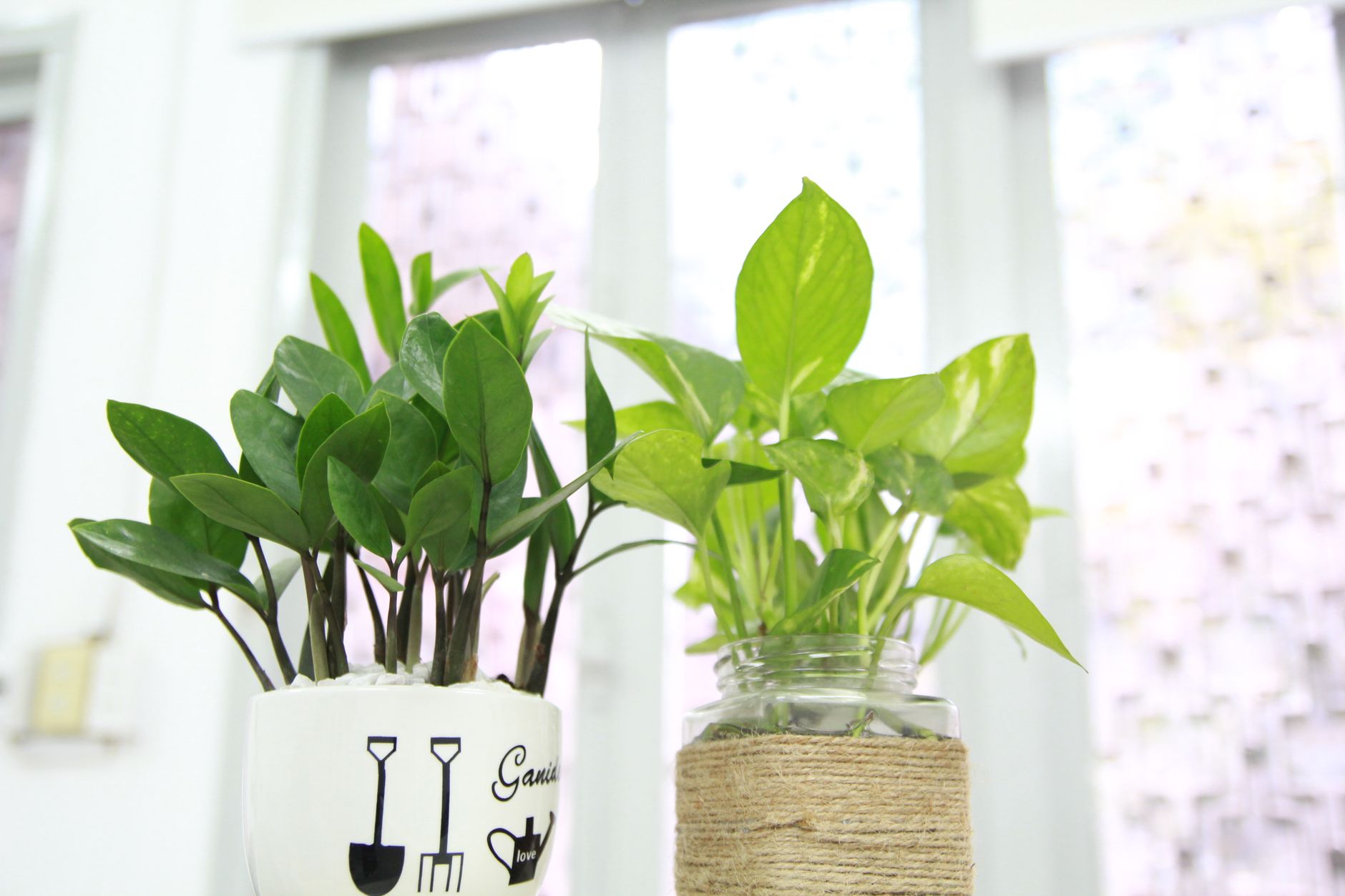 Photo by Khanh Nguyen on Pexels
If you are starting from zero, start with plants that forgive you. These six handle low light, missed waterings, and general neglect better than almost anything else.
- Snake plant: stiff, sculptural leaves that store water, so it happily goes 2 to 4 weeks between drinks and tolerates low light.
- ZZ plant: glossy leaves that look almost fake, plus thick underground rhizomes that store water. Ideal if you forget to water entirely.
- Pothos: the classic trailing vine. It droops visibly when it is thirsty and perks back up within hours of watering, so it basically tells you what it needs.
- Heartleaf philodendron: similar to pothos, with softer heart-shaped leaves. Great for shelves and hanging planters.
- Spider plant: arching striped leaves and little “babies” that dangle from long stems. Forgiving in bright indirect light and a good pick for hanging baskets.
- Cast iron plant: named for a reason. It handles deep shade, dry air, and long neglect in hallways where nothing else survives.
A quick note if you have pets: snake plant, ZZ, pothos, and philodendron are all toxic to cats and dogs if chewed. Spider plants and cast iron plants are generally considered pet-safe, so lean on those (or faux) if you have a nibbler.
The Care Floor
You do not need a care schedule. You need three habits:
- When in doubt, wait. Overwatering kills far more houseplants than underwatering. Push a finger about 2 inches into the soil. If it feels damp, skip it and check again in a few days.
- Make sure water can escape. Keep plants in pots with drainage holes. When you water, carry the nursery pot to the sink, soak it, let it drain for 10 to 15 minutes, then put it back in its decorative pot. Never let it sit in a puddle.
- Less is more. Skip fertilizer, misting, and repotting for the first year. Fussing kills a lot of easy plants.
Start With One or Two
Resist the urge to buy a jungle in one weekend. Start with one or two plants from the list above, keep them going for a couple of months, and then add more once you know which spots really work.
Fake It: How to Decorate With Faux Plants (Without It Looking Fake)
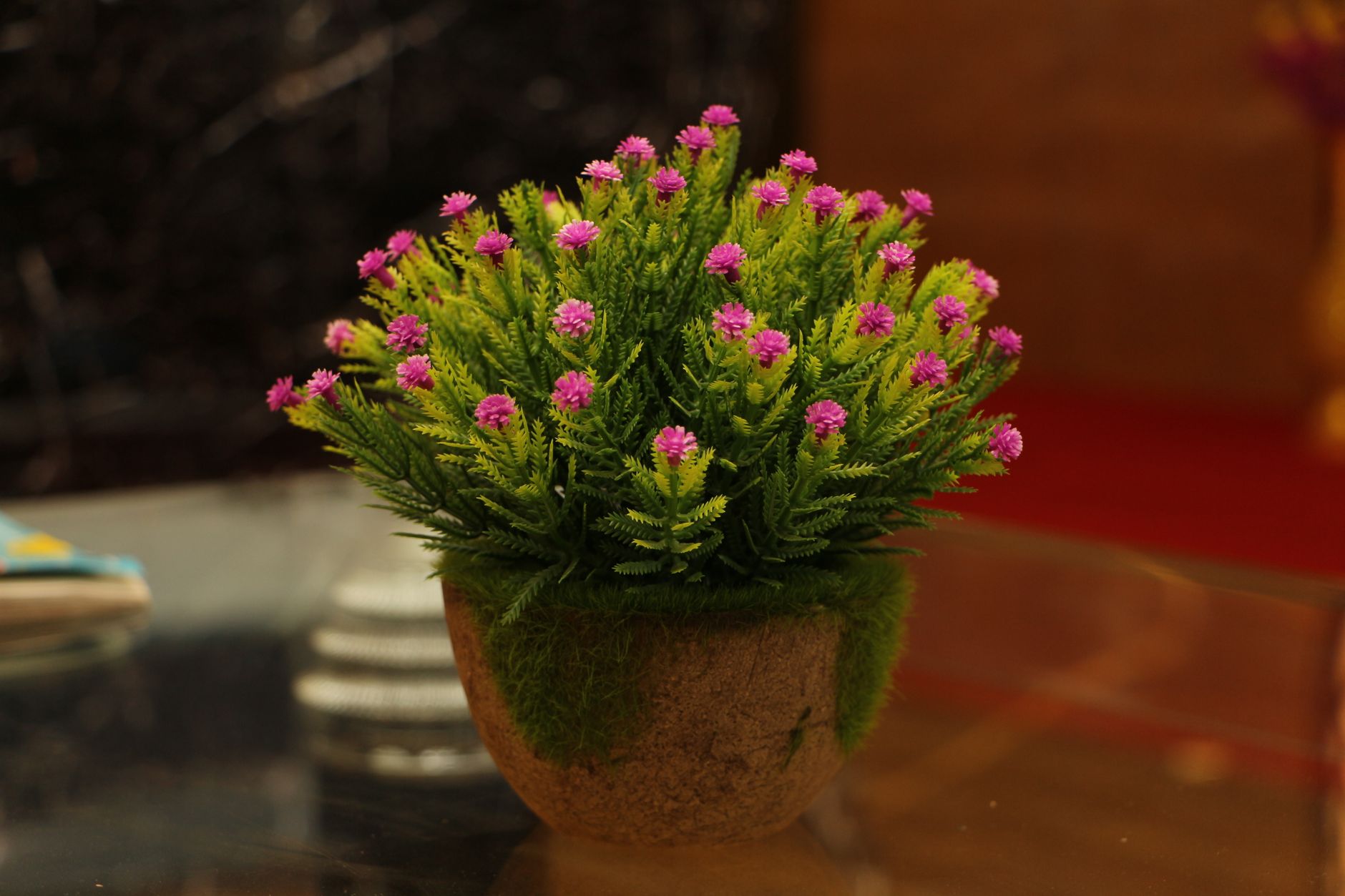 Photo by vasanth babu on Pexels
Faux plants have a reputation problem, thanks to the dusty plastic ficus in every dentist’s office. Good ones, styled well, are genuinely hard to spot, and they put greenery where no real plant could live.
When Faux Is the Right Call
- Dark corners, windowless bathrooms, and interior hallways.
- High shelves and the tops of cabinets where watering is a ladder project.
- Homes with curious pets, allergies, or kids who eat things.
- Frequent travelers who are gone for weeks at a time.
Realism Rules
- Buy quality over quantity. One convincing faux plant beats five cheap ones. Look for leaves with color variation, visible veins, and slightly uneven shapes. “Real touch” or latex-coated leaves usually look the most natural.
- Choose species that fake well. Plants with structured leaves, like snake plants, olive trees, and fiddle leaf figs, are much more convincing than delicate, airy ferns. A faux fiddle leaf fig is also a smart workaround, since the real one is famously fussy.
- Fluff and bend. Faux plants arrive flattened. Bend stems at different angles and turn leaves in different directions, the way a real plant leans toward light.
- Pot it like a real plant. Move it into a real planter and cover the foam with real soil, moss, or pebbles.
- Dust it. Dust is the giveaway. Wipe leaves with a microfiber cloth once a month, or blast them with a hair dryer on the cool setting.
The Pro Move: Mix Real and Faux
Put a real plant in the same grouping as your faux ones and the real one “vouches” for the rest. Nobody inspects every leaf in a cluster once they have registered that one is clearly alive. Then follow a simple placement rule: real plants go where people look up close (coffee tables, nightstands, the bathroom counter), and faux plants go where they don’t (top of a bookshelf, above kitchen cabinets, a dim far corner).
Style Plants Into the Room You Already Have
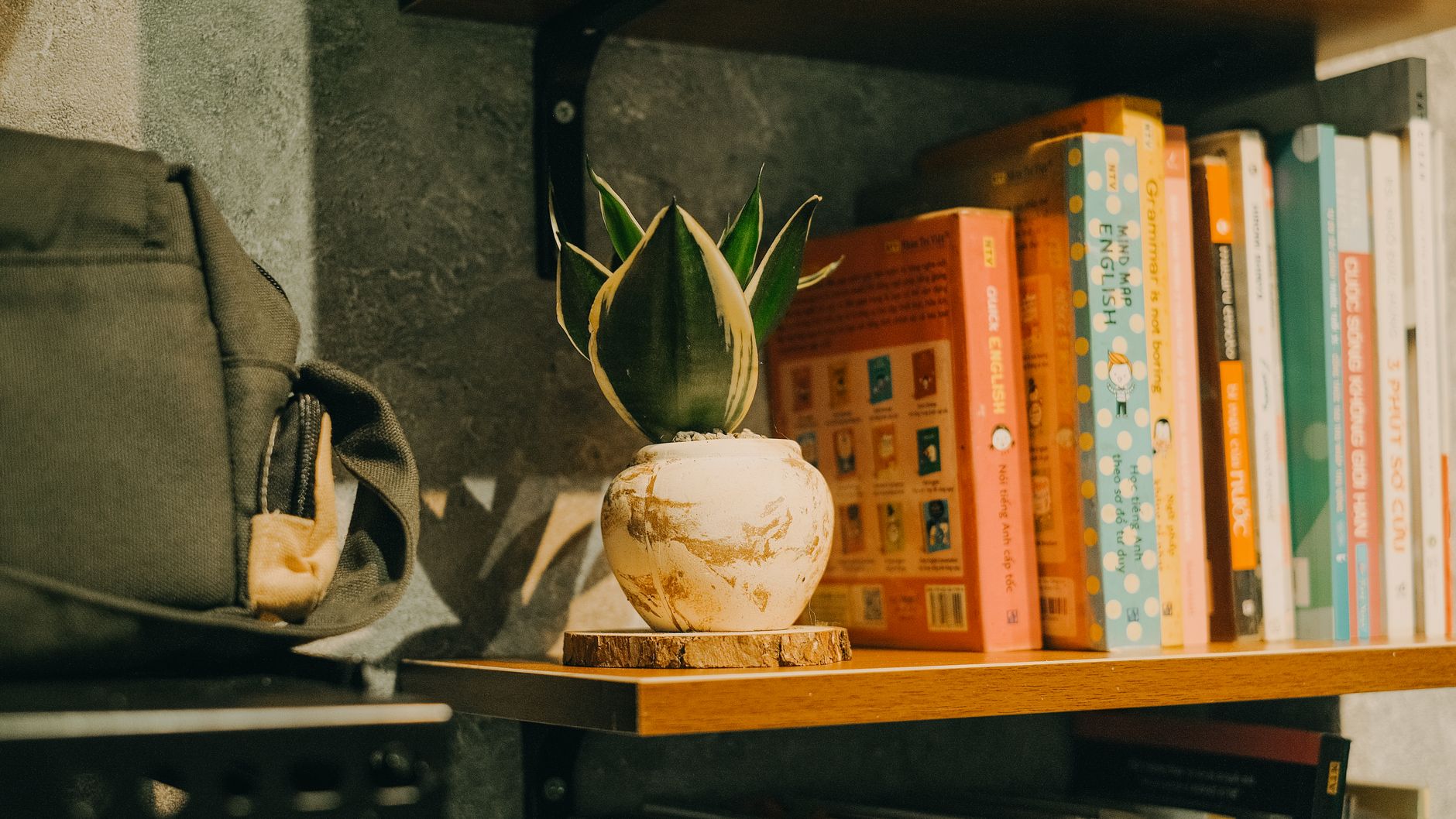 Photo by Pew Nguyen on Pexels
You do not need to redecorate around your plants. Let them fill gaps your room already has.
On the bookshelf. A trailing pothos or philodendron softens hard shelf edges and breaks up long rows of book spines. Place plants in a loose zigzag pattern across the shelves rather than lining them up on one level, and let one or two vines spill over the front. For more ideas on balancing books, objects, and greenery, see our guide on how to style a bookshelf.
Go vertical. Plant stands lift mid-size plants into your sightline, and a ceiling hook lets a trailing plant hang near a window where floor space is tight.
Let one big plant do the work. An empty corner does not always need a chair or a cabinet. A single statement plant, like a 4-foot snake plant or a tall faux olive tree in a substantial pot, adds height and life for a fraction of the cost of new furniture. Keep the surrounding decor simple so the plant reads as intentional.
Treat plants as the final layer. Once your furniture, rug, lighting, and art are in place, plants are the “something living” layer that makes a room feel finished. If you want the full system for pulling a space together, our complete home styling guide walks through every layer in order.
Frequently Asked Questions
How do you decorate with plants if you always kill them?
Start with one or two near-unkillable plants, like a snake plant or ZZ plant, in a spot whose light actually suits them. Fill dark or hard-to-reach spots with quality faux plants, and add more real ones once the first few are thriving.
What are the best plants for people who kill plants?
Snake plant, ZZ plant, pothos, heartleaf philodendron, spider plant, and cast iron plant are the most forgiving. They tolerate low light, dry air, and missed waterings far better than trendy picks like fiddle leaf figs.
How do you arrange plants so they look styled, not cluttered?
Group them in odd numbers, usually three, with a low, medium, and tall plant in each cluster. Coordinate the pots by repeating one material or color, and give each grouping breathing room.
Do faux plants look cheap?
Not if you choose carefully. Buy fewer, better-quality plants, fluff and bend the stems, pot them in real planters, dust them regularly, and mix in a real plant or two to make the whole grouping more convincing.
Which plants are best for a bathroom or a dark corner?
Bathrooms with a window suit humidity lovers like pothos and ferns. Dark corners call for low-light plants such as ZZ plant, snake plant, or cast iron plant, and spots with no natural light at all are best filled with a good faux plant.
How many plants should I put in one room?
Start small: one statement plant plus one grouping of three is plenty for most rooms. A few healthy plants always look better than a crowd of struggling ones.
How do you decorate with large plants?
Use one oversized floor plant to anchor an empty corner or the end of a sofa, where it adds height and fills space. Choose a substantial pot so it does not look top-heavy, and keep nearby decor simple.
Where should I place plants for the best look?
Place them at varied heights near natural light: floor plants in corners, mid-size plants on stands, smaller plants on shelves, and trailing plants spilling from high spots. Check the light before you commit, since a plant in the wrong light will not look good for long.
Bring Your Home to Life (No Green Thumb Required)
Decorating with plants is less about skill and more about a few smart choices. Match each plant to its light, group in threes at different heights, start with forgiving plants like snake plants and pothos, and fake the hard spots with confidence. Your home will look alive and cared for, even on the weeks you forget to water.
Pick one corner this weekend, read its light, and give it a plant. Then sign up for our newsletter for more low-effort decorating wins delivered straight to your inbox.


