
The Best Bedside Lighting: Lamps, Sconces, and Pendants
Bedside lamps are the default choice for most bedrooms, and for good reason: they’re easy to find, easy to style, and easy to swap out when your taste changes. But a lamp isn’t automatically the right fixture for every bed. If your nightstand is tiny, cluttered, or nonexistent, or if you and your partner read at completely different times, a wall sconce or a pendant might solve problems a lamp never will.
This guide walks through all three options side by side: how to size and place a bedside lamp, when a sconce earns its keep, why a pendant might be the statement piece your bedroom is missing, and how to get the light quality right no matter which fixture you land on. By the end, you’ll know exactly which one fits your bed, not just which one looks best in a photo.
Why Bedside Lighting Deserves More Thought Than It Gets
The nightstand is the last surface you see before you fall asleep and the first thing you reach for when you wake up. The light sitting on it, or mounted above it, sets the tone for the whole room, yet most people give it far less thought than the mattress or the headboard.
Part of the problem is that bedside lighting actually has two separate jobs, and most bedrooms only solve for one of them. Task lighting is what you need to read a book or check your phone without straining your eyes. Ambient lighting is the soft, low-level glow that helps you wind down before sleep. A single overhead fixture can’t do both well, which is exactly why the bedside light matters so much. Get it right and you’ve got a reading light and a mood light in one. Get it wrong and you’re either squinting at a paperback or blasting the room with light an hour before bed.
Before diving into fixture types, it’s worth looking at our full guide to bedroom lighting if you’re planning the whole room’s lighting layers, not just the bed. For now, here’s how lamps, sconces, and pendants stack up against each other.
Bedside Lamps: The Classic Choice
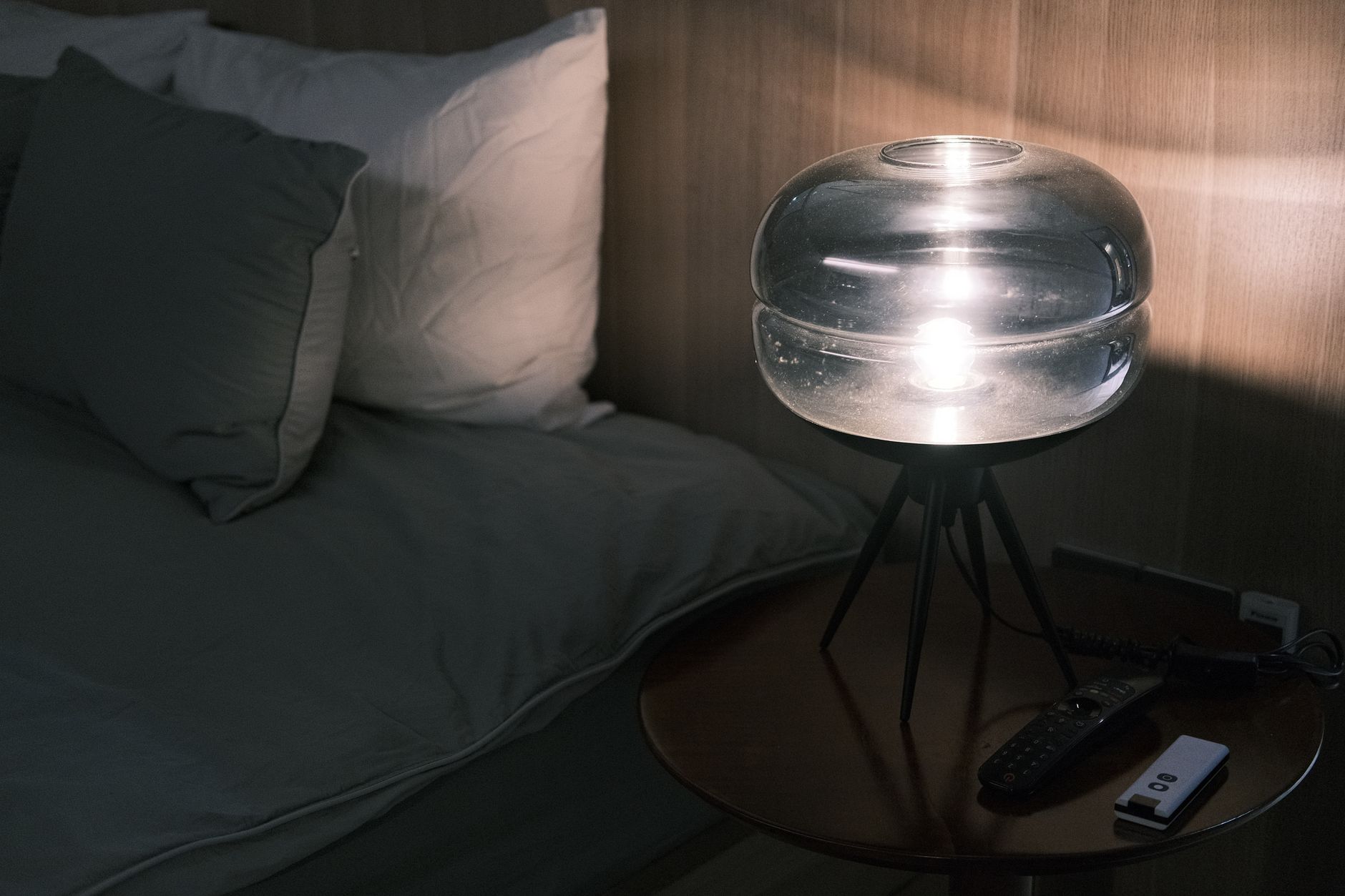 Photo by Hoài Nam on Pexels
A good table lamp is still the easiest way to get flattering, adjustable light next to the bed, and it’s the option that requires zero commitment to your wall or wiring.
Sizing rule: the lamp should stand about 2 to 3 inches taller than your nightstand, measured from the tabletop to the top of the shade. Go much taller and it starts to overwhelm the nightstand; much shorter and the light sits too low to be useful for reading. The shade itself should be roughly a third of the nightstand’s width, wide enough to look proportional without eating up the whole surface.
Shade material matters more than people expect. A closed, diffusing shade (linen, cotton, or a light-colored fabric) softens the bulb and spreads a warmer glow across the room. Open or very thin shades let more raw light escape, which can mean glare if the bulb is visible from where your head rests on the pillow. If you’ve ever wondered why a lamp “feels harsh” even with a warm bulb, the shade is usually the culprit, not the bulb.
Lamps are best for readers who want the freedom to redecorate. Swapping a lamp is a five-minute job with no tools, so if your style changes or you just want to try something new, a lamp is the lowest-commitment fixture on this list.
Wall Sconces: The Space-Saving Alternative
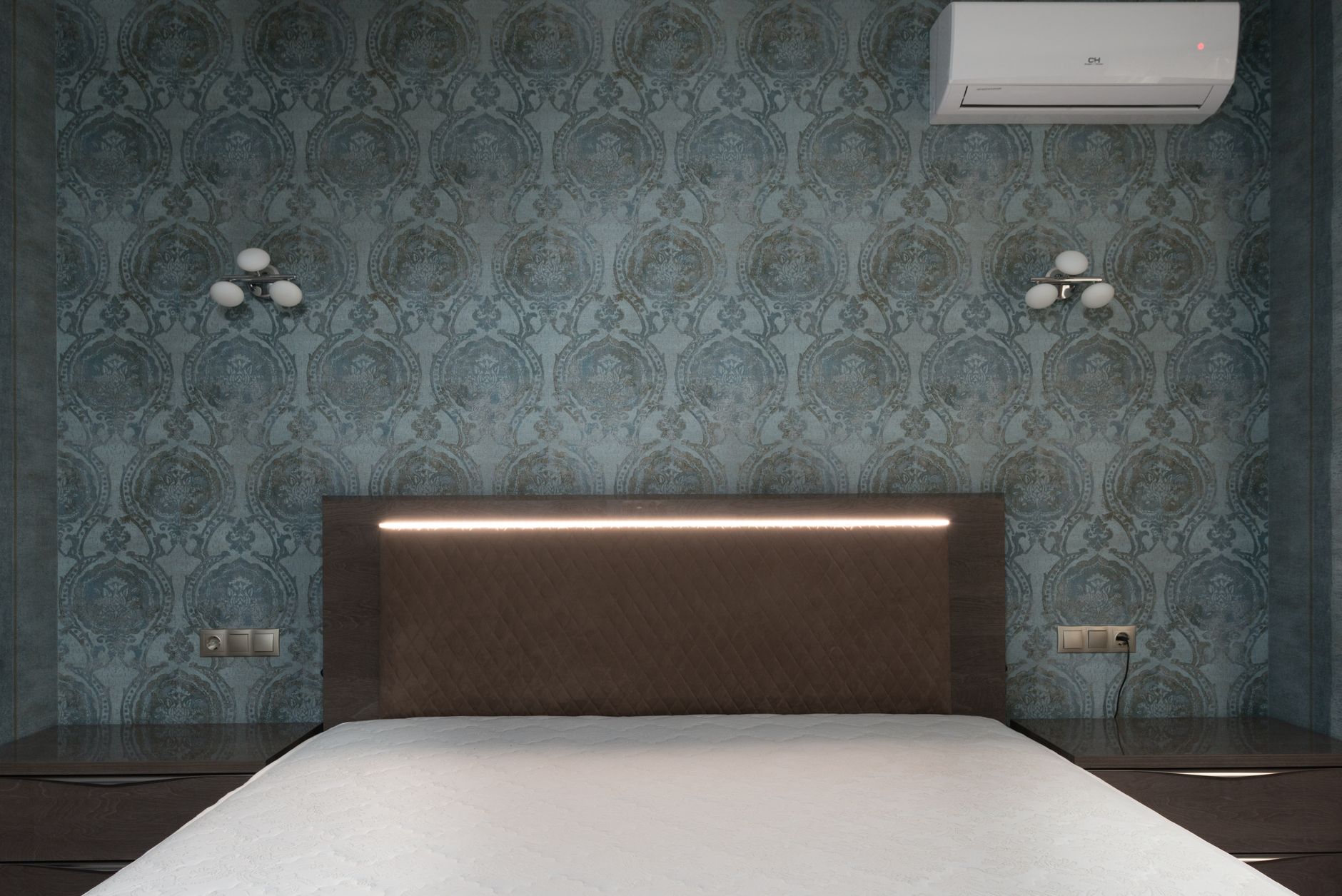 Photo by Max Vakhtbovych on Pexels
If your nightstand is small, doubles as a charging station, or is already crowded with books and a water glass, a wall sconce solves the problem by removing the light from the table entirely.
Mounting height is the detail that makes or breaks a sconce. Aim for roughly 60 to 72 inches from the floor, which typically lands the light source at or just above eye level when you’re sitting up against your pillows. Too low and it shines directly into your eyes when you sit up to read; too high and it stops being useful as a reading light at all.
Swing-arm sconces are worth the small extra cost. Because the arm extends and pivots, you can pull the light closer when you’re reading and push it back out of the way when you’re not, without losing the space-saving benefit of a wall-mounted fixture.
The one real catch is wiring. A hardwired sconce needs an electrician or existing in-wall wiring, which isn’t always practical, and it’s a non-starter if you’re renting. The workaround is a plug-in sconce kit: the fixture mounts to the wall the same way, but the cord runs down to a standard outlet instead of into the wall, so there’s no rewiring involved and it comes down cleanly when you move out.
Pendants: The Statement Option
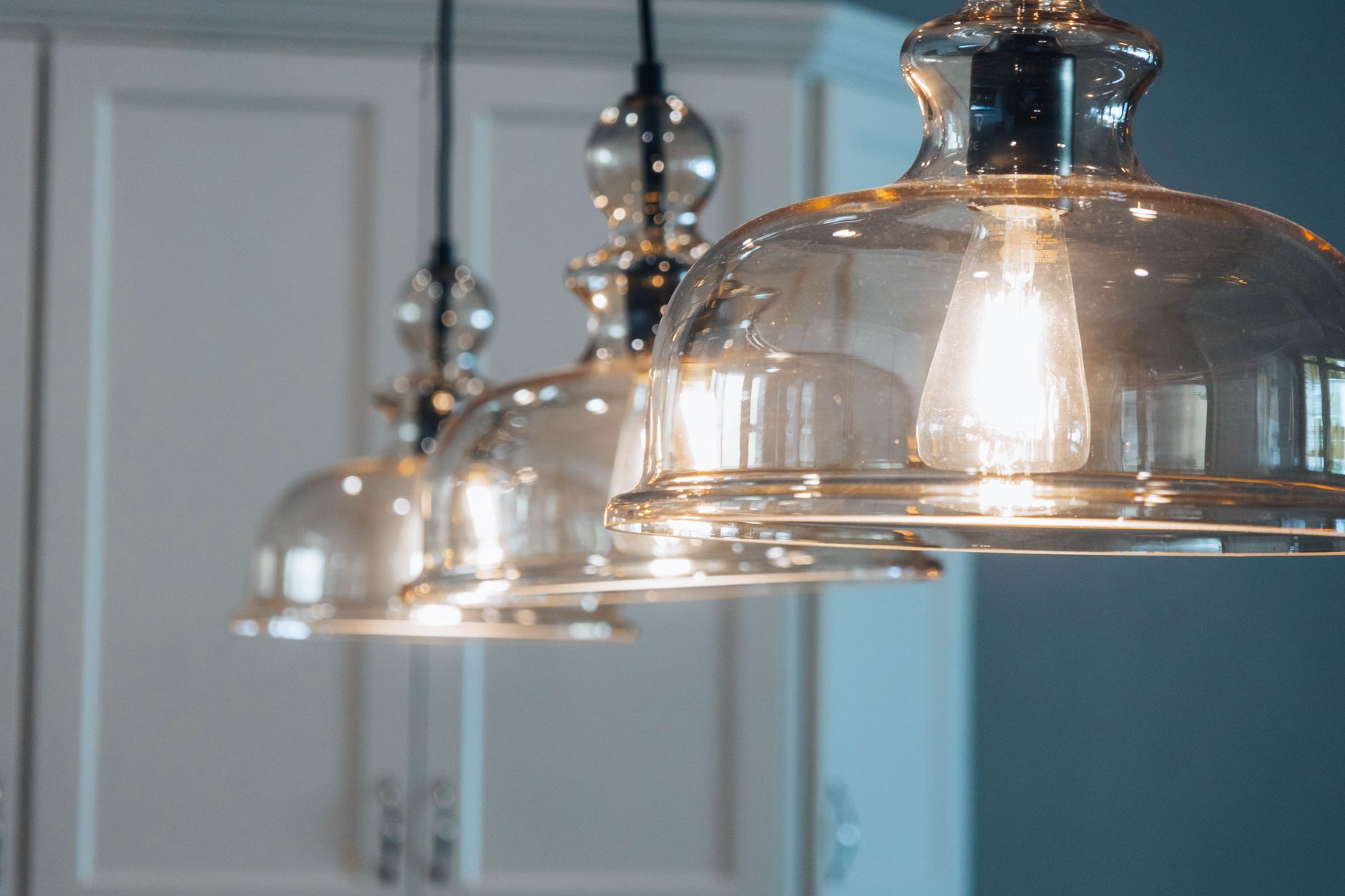 Photo by Samuel Peter on Pexels
A pendant does everything a sconce does, freeing up the nightstand completely, while adding a level of visual drama that a flush wall fixture can’t match. It’s an especially good option if your nightstand is low, small, or missing altogether, since a pendant doesn’t rely on a tabletop at all.
Pair a bedside pendant with a warm, low-wattage bulb rather than anything bright or cool-toned; the whole appeal of a pendant is the soft pool of light it casts, not floodlighting the corner of the room. Hang it slightly above eye level when you’re sitting up in bed so the bulb itself stays out of your direct line of sight, which keeps the light flattering instead of glaring.
Ceiling height is the constraint to watch. In a room with standard 8-foot ceilings, a pendant hung low enough to be useful bedside can start to feel cramped, especially if the bed already sits close to the wall. Pendants tend to work best in rooms with a little extra ceiling height or a genuinely open layout around the bed.
Getting the Light Quality Right (Any Fixture)
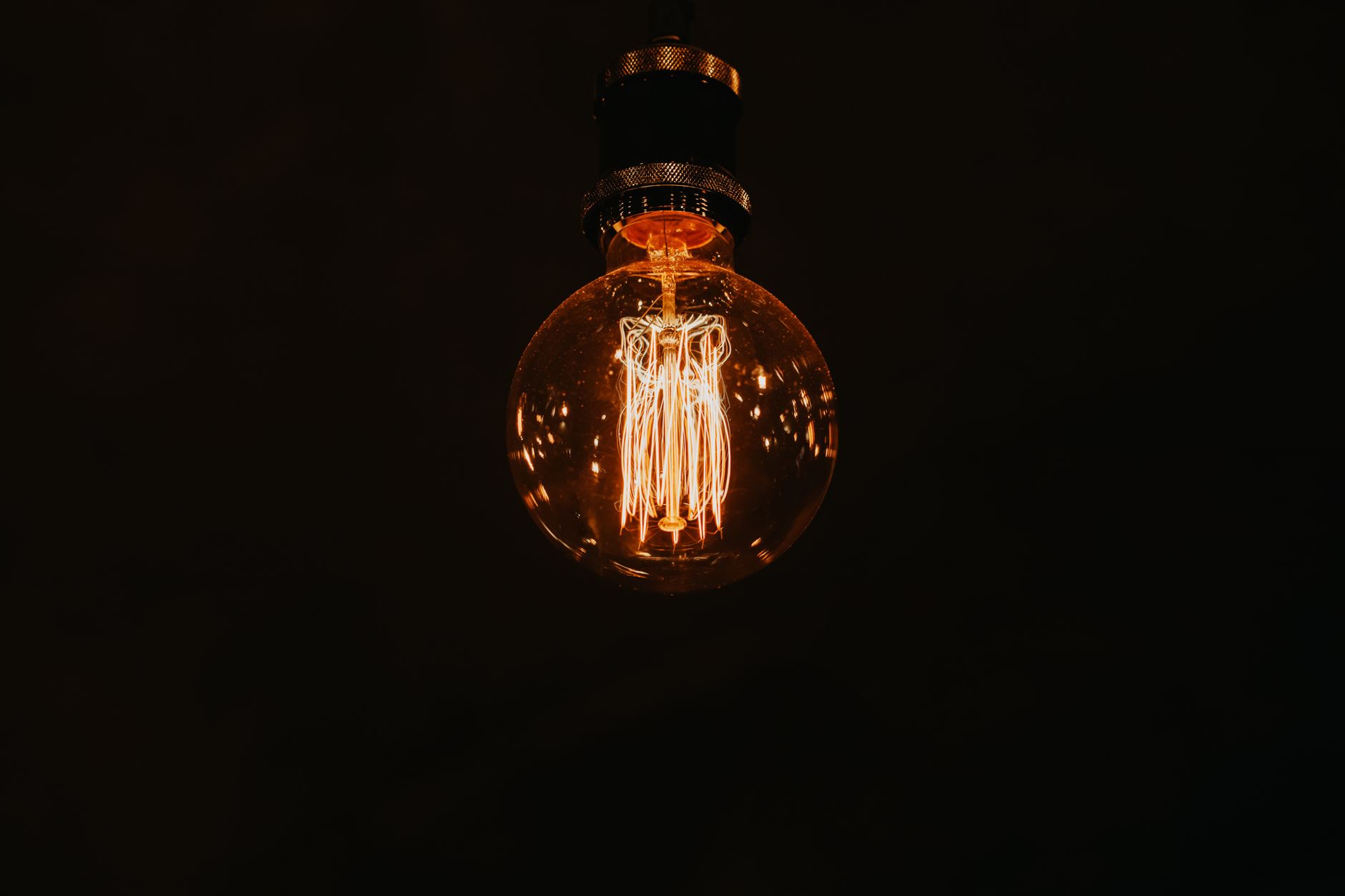 Photo by Julia Filirovska on Pexels
Whichever fixture you choose, the bulb inside it does as much work as the fixture itself.
Stick to warm white bulbs in the 2700 to 3000K range. Cooler or daylight-toned bulbs read as clinical in a bedroom and can work against your body’s natural wind-down cues right when you’re trying to relax. The Sleep Foundation notes that warm hues of red, orange, and yellow help prepare the mind and body for sleep, while cooler, bluer light tends to signal wakefulness instead. If you’re not sure what those numbers mean in practice, our breakdown of getting your bulb color temperature right walks through how Kelvin ratings translate to the light you actually see.
A dimmer switch or a 3-way bulb turns a single fixture into two: bright enough for reading, dim enough for winding down, without installing separate lights for each job. It’s a small upgrade that pays off every single night, and it’s often the cheapest fix if your current bedside light already feels either too harsh or too dim depending on the hour.
Match the brightness to the task. Reading wants a more direct, focused beam of light landing on the page. Ambiance wants something softer and more diffused, spread across the room rather than aimed at one spot. Roughly 40 to 60 watt-equivalent bulbs (400 to 800 lumens) hit the right range for most bedside fixtures. ENERGY STAR’s brightness guide points out that brightness is measured in lumens, not watts, and that a standard 60-watt incandescent puts out about 800 lumens, a handy reference if a box only lists wattage. That’s bright enough to read comfortably without turning the room into an operating theater.
Which One Fits Your Bedroom? A Quick-Decision Guide
Skip the guesswork with this scenario-based rundown:
- Small or cluttered nightstand: go with a sconce. It clears the table entirely and still gives you full reading light.
- No nightstand, or a minimalist setup: go with a pendant. It doesn’t need a surface to sit on and adds height and interest where a lamp simply can’t exist.
- You like to redecorate or move furniture around: go with a lamp. Nothing beats the ability to swap it out in minutes with zero tools or wiring.
- You’re renting and can’t rewire the walls: go with a plug-in sconce kit, or lean on a great lamp instead. Both sidestep the electrician entirely.
- Two people, two different reading habits: don’t force matching fixtures on both sides. A sconce on one side and a lamp on the other can solve two different problems without either partner disturbing the other.
Frequently Asked Questions
What is the best height for a bedside lamp?
Aim for the bottom of the shade to sit roughly at eye level when you’re sitting up in bed. That keeps the bulb out of your direct line of sight so it lights the page instead of glaring into your eyes.
Should bedside lamps match on both sides of the bed?
Matching pairs look polished and are the safer choice if you want a cohesive look, but mismatched lamps work fine too, as long as the height and brightness stay roughly consistent from side to side.
Are wall sconces better than lamps for small bedrooms?
For small bedrooms with limited nightstand space, yes. Sconces mount to the wall and leave the tabletop free for books, a glass of water, or a charging pad instead of a lamp base.
Can I use a pendant light instead of a lamp?
Yes, and it’s a particularly good swap if your nightstand is low or missing entirely. Just watch your ceiling height and stick to a warm, low-wattage bulb so it stays cozy rather than glaring.
What color temperature is best for bedroom lighting?
Stick to warm white in the 2700 to 3000K range. Cooler or daylight-toned bulbs feel clinical in a bedroom and can make it harder to wind down before sleep.
Do bedside lights need a dimmer?
It’s not required, but a dimmer or a 3-way bulb lets a single fixture handle both reading and ambient light. That’s worth it unless you’re planning to install two separate fixtures for each job.
Can renters install bedside sconces or pendants?
Yes, through plug-in sconce and pendant kits that skip hardwiring entirely. Look for a model with a visible cord and an in-line switch, both mount and remove cleanly without an electrician.
How many watts should a bedside lamp be?
Roughly 40 to 60 watt-equivalent, or 400 to 800 lumens, is enough for comfortable reading without overpowering a small room.
The Bottom Line
There’s no single “best” bedside light, only the one that matches how you actually use your bed. If you love to redecorate, keep the lamp. If your nightstand is fighting for space, take the light off the table with a sconce. If you’ve got room to spare and want a little drama, hang a pendant. Once the fixture is settled, spend a few extra dollars on a warm bulb and a dimmer, and the rest takes care of itself.
For more ways to layer light around the rest of the room once your bedside fixture is sorted, take a look at our cozy bedroom lighting ideas for the finishing touches.


