
Under-Bed Storage Ideas That Actually Look Good
Under bed storage is the biggest chunk of free space most bedrooms never use properly. Slide a tape measure under a standard queen and you’ll find roughly 16 cubic feet of nothing, about three moving boxes’ worth, sitting empty while the closet overflows. The reason people leave it that way is simple: under-bed storage usually looks like a graveyard of mismatched plastic tubs peeking out from under the duvet. It reads as clutter, just relocated.
It doesn’t have to. Below are 12 under bed storage ideas that hide the mess and still look intentional, from zero-effort renter swaps to weekend DIY builds. You’ll also get the practical part most roundups skip: how to measure your clearance, which bin size to shop for, and what you should never put under a bed at all. This is a companion to our full guide to bedroom storage ideas, so if under-bed space is just one of your problems, head there next.
Why Under-Bed Storage Looks Bad, and the 3 Rules That Fix It
Walk into any bedroom where under-bed storage “isn’t working” and you’ll spot the same three mistakes. The containers don’t match. They’re clear plastic, so every sock and tangled charger is on display. And at least one is missing a lid and collecting dust. None of those are storage problems. They’re styling problems, and they have simple fixes.
Rule 1: Matching beats mismatched. Three identical grey canvas bins look like a decision. One grey bin, one blue tub, and a shoebox look like a pile. Pick one material and one color family and buy it in multiples.
Rule 2: Hide the container or make it beautiful. Either the storage is completely concealed (behind a bed skirt, inside a storage bed) or it’s attractive enough to be seen (a woven basket, a vintage trunk, a wood drawer). A bare plastic bin in plain sight fails both tests.
Rule 3: Measure before you buy. A bin half an inch too tall never slides in, and a bin four inches too short wastes the space you were trying to use. Every idea below depends on knowing your clearance first.
Measure First: How Much Clearance You Actually Have
 Photo by Erik Mclean on Pexels
Measure from the floor to the bottom of your bed frame or side rail, not the mattress. Check two or three spots, since floors and frames aren’t always level. On thick carpet, press the tape down firmly and subtract another half inch, because a loaded bin sinks into the pile and drags.
Here’s what the numbers mean. With about 6 inches of clearance under a queen, you have roughly 16.5 cubic feet of usable space. Add bed risers that lift the frame another 4 inches and that jumps past 22 cubic feet, enough for most people’s off-season wardrobe plus spare bedding.
The standard under-bed bin runs about 6 inches tall, 40 inches long, and 20 inches wide. Two fit side by side under a queen with room to spare. If your measurement comes in under 6 inches, look for low-profile bins (4 to 5 inches tall) or plan on risers. Consumer Reports has a helpful comparison of under-the-bed storage solutions that will banish clutter if you want to weigh specific bins before buying.
Ready-Made Storage That Looks Good (Zero DIY)
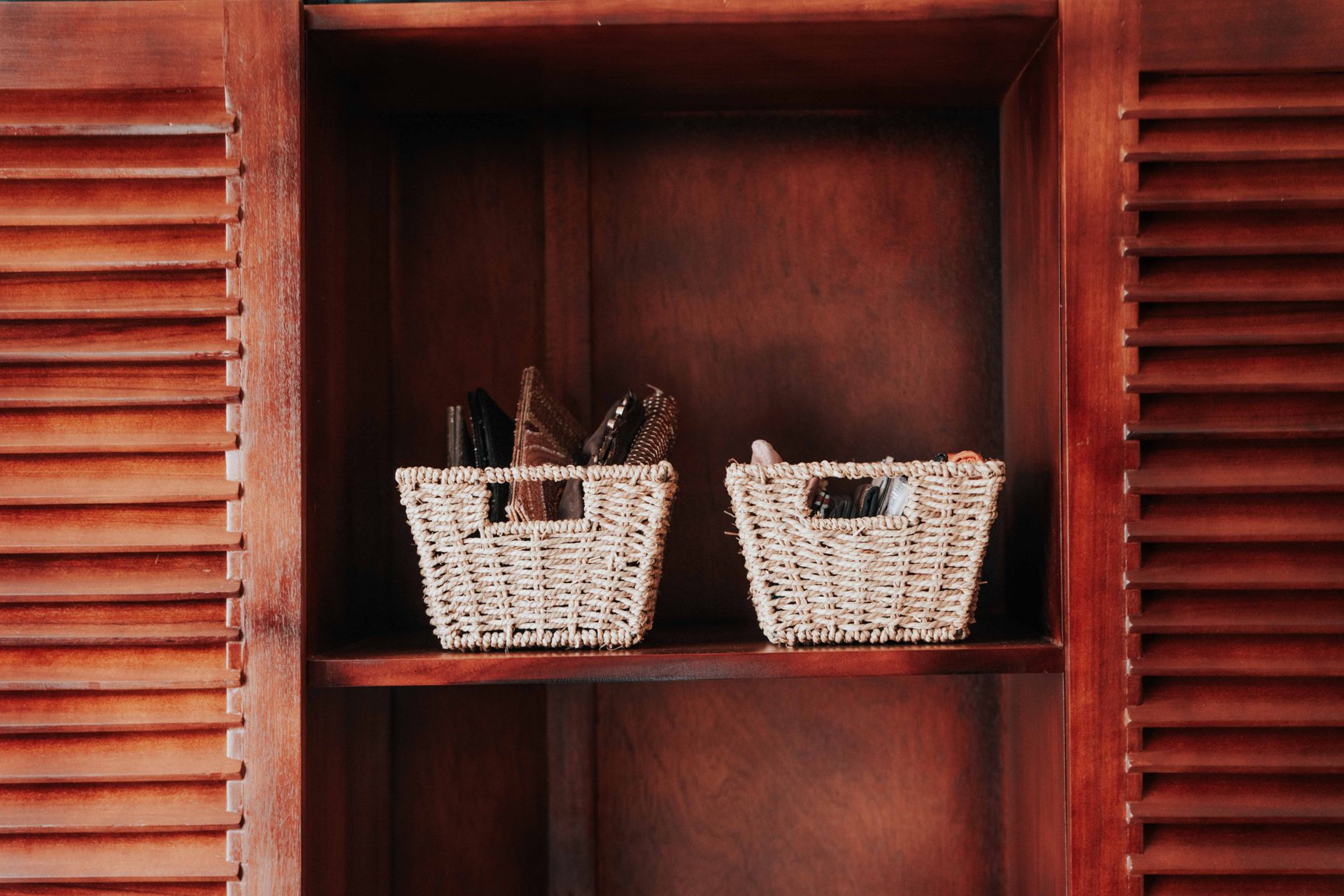 Photo by Keegan Checks on Pexels
No tools, no drilling, nothing that looks like it came from the garage.
1. Matching fabric bins with lids and viewing windows
Soft-sided canvas or linen-look bins are the easiest upgrade from plastic. They’re quiet when you slide them, they don’t scratch hardwood, and a zip lid keeps dust out. The best ones have a small clear window on the end so you can tell sweaters from spare duvet without pulling the whole thing out. Buy a set of two or four in the same neutral so the row reads as one unit.
2. Rolling under-bed drawers with flush handles
If you’ll open the storage more than once a week, wheels matter. A rolling drawer with an integrated handle slides out with one pull, no crawling required. Look for a lid and a recessed handle that sits flush so nothing catches on the bed skirt or frame.
3. Woven or rattan baskets on casters
For a warmer look in a room with natural textures, low woven baskets do the job beautifully. If yours don’t come with casters, a set of stick-on furniture casters turns any flat-bottomed basket into a rolling drawer in five minutes. Line them with a cotton bag to keep dust off what’s inside.
4. A vintage suitcase or trunk on wheels
Storage that doubles as decor. Matching vintage suitcases, or one long low trunk on a furniture dolly, can sit half-visible under the bed and look like a styling choice. It works best with 9 inches or more of clearance and a simple metal or wood frame. Keep the contents to things you rarely need.
Beds That Do the Hiding for You
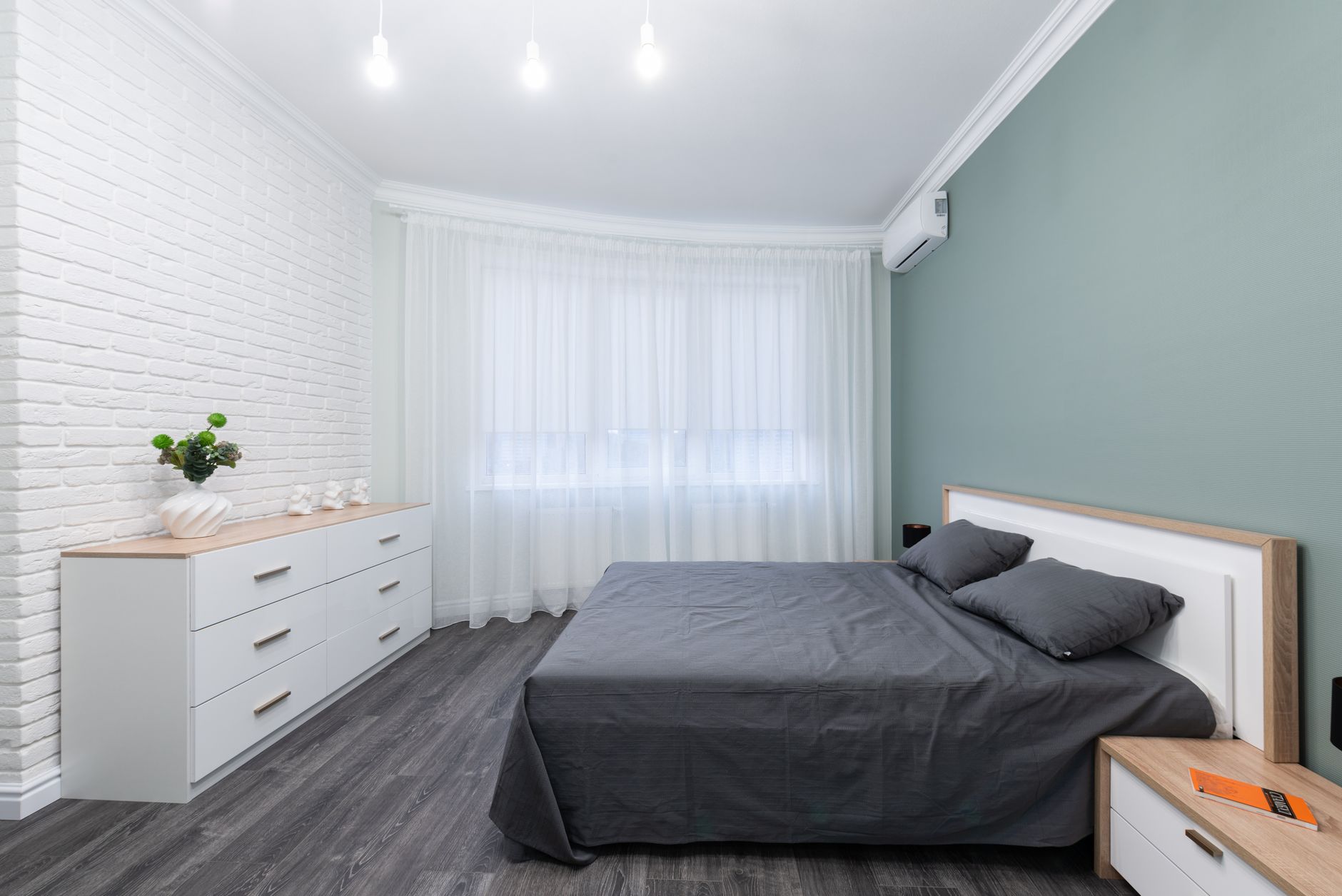 Photo by Max Vakhtbovych on Pexels
Sometimes the cleanest answer is a bed with storage built in. Nothing to hide, nothing to match.
5. Ottoman or lift-up platform beds
The whole mattress platform lifts on gas struts to reveal one big cavity. Because you lift the mattress to get in, this suits seasonal, low-access items: winter duvets, off-season coats, luggage, guest pillows. Everyday items get annoying fast.
6. Storage beds with built-in flush drawers
Divan bases and platform beds with side drawers are the everyday-access version. They work like a built-in dresser, so socks, workout clothes, or extra sheets can live there. Check that the drawers open fully on the side you can actually reach, not the side against a wall.
When it’s worth upgrading the whole bed
If you’re already shopping for a new frame, a storage bed is an easy yes: the drawers rarely add much to the price and they eliminate the matching-bins problem entirely. If your current frame is fine, skip it. Risers plus rolling drawers get you most of the same capacity for a fraction of the cost, and everything comes with you when you move.
DIY and IKEA-Hack Ideas (Weekend Projects)
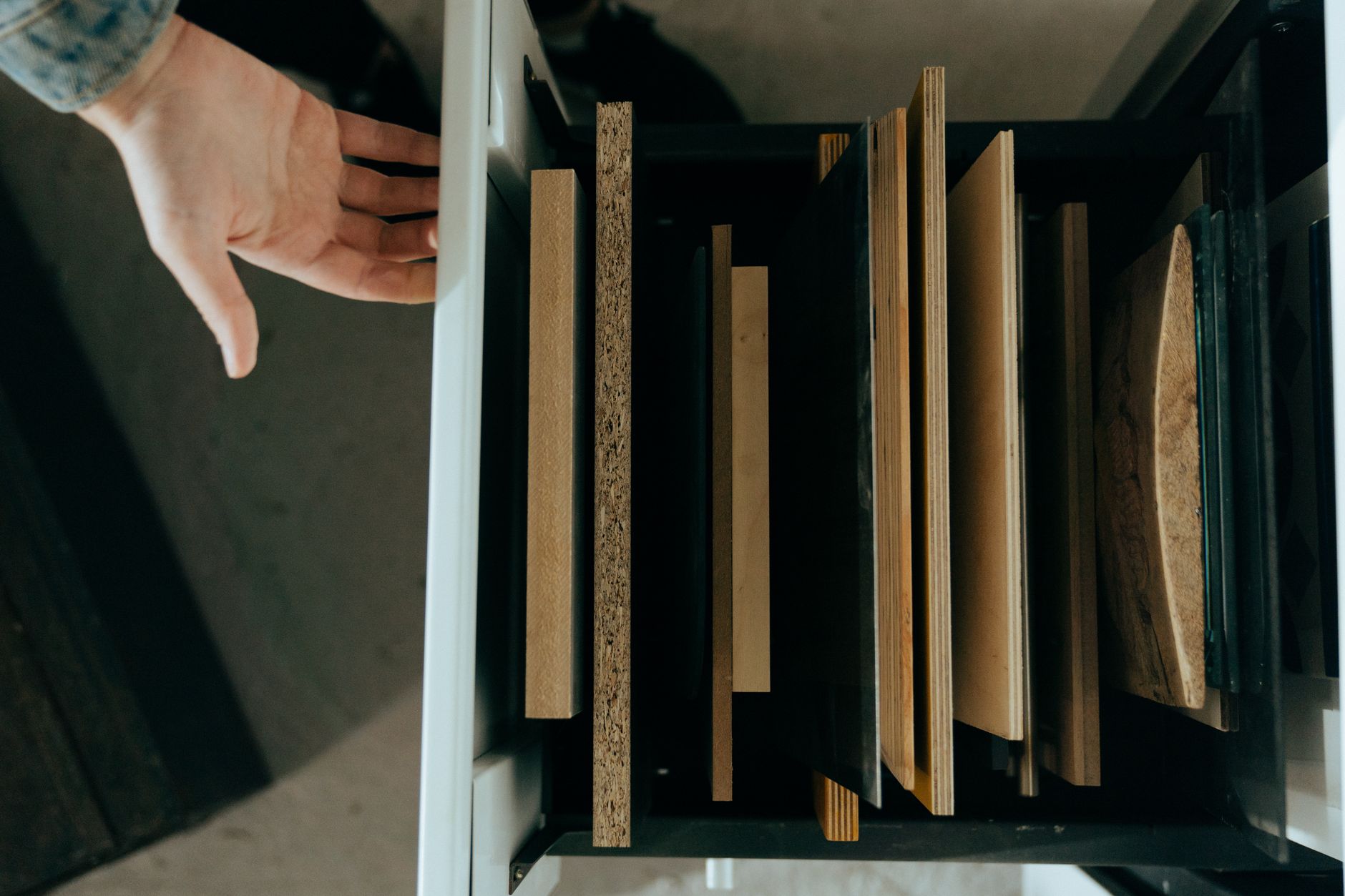 Photo by cottonbro studio on Pexels
A few hours, basic tools, and storage that looks custom because it is.
7. Repurposed dresser drawers on casters
Old dresser drawers from a thrift store make excellent under-bed drawers. Screw four casters to the bottom, add a cabinet pull to the front, and paint the face to match your frame. If the drawer front is ugly, staple a panel of linen over it instead. Measure drawer height plus caster height against your clearance before you commit.
8. Contact-paper or fabric-wrapped boxes
A cheap bin becomes something else once it’s wrapped. Wood-grain contact paper on the visible end makes it read like a drawer front; a wrap of fabric over a lidded box softens the whole row. It’s the fastest way to make four mismatched bins you already own look like a matching set for under $20.
9. IKEA kitchen cabinets or Ivar units as pull-out drawers
Small-apartment DIYers have been building under-bed drawers from IKEA kitchen base drawers and Ivar shelving sections for years. A kitchen drawer front on casters gives you a real drawer with a real handle for far less than a storage bed. It’s the most involved project here, so plan for an afternoon and a helper.
10. A DIY raised platform with drawers or stairs
For a studio or a very small bedroom, the maximum-clearance answer is to raise the whole bed. A platform 14 to 18 inches tall with drawers or cubbies underneath, sometimes with two built-in steps that are also drawers, can swallow a wardrobe’s worth of storage. It’s the most work, but it effectively adds a dresser to a room that can’t fit one. If that’s your situation, our post on making the most of a bedroom with no closet covers the bigger picture.
The Cheapest Trick: Hide It Behind a Bed Skirt or Valance
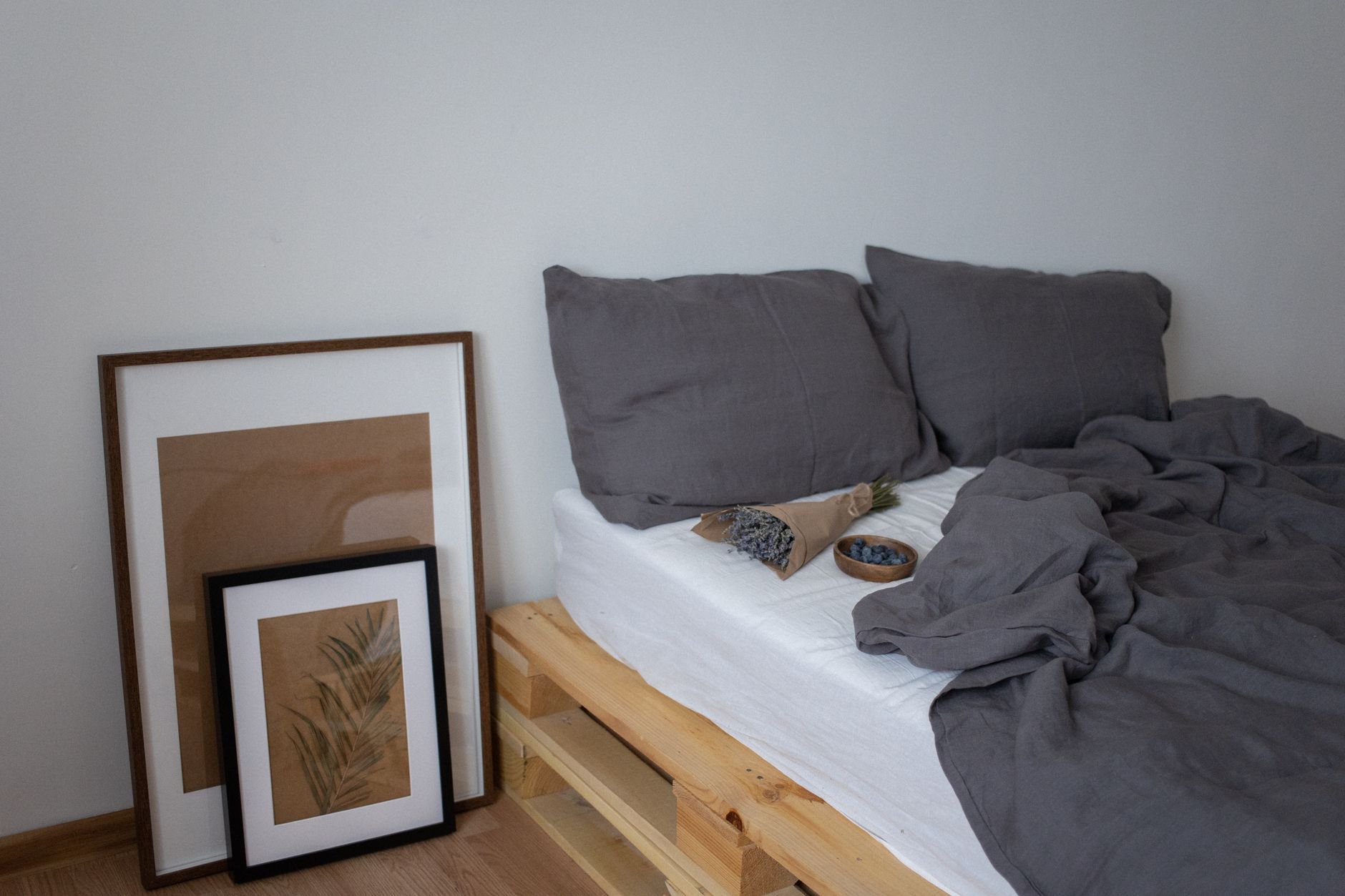 Photo by KATRIN BOLOVTSOVA on Pexels
11. A tailored bed skirt over any bin
This is the idea that makes every other idea optional. A bed skirt turns any container, including the ugly plastic ones you already own, into invisible storage. The catch is choosing one that reads intentional rather than dorm-room.
Go for a tailored or box-pleat style in a solid, heavier fabric (linen, cotton canvas, or a blend) rather than ruffled polyester. Match it to the bedding or the wall, not the carpet. Get the drop right: the hem should sit about half an inch off the floor. Too long and it puddles and drags in the bins; too short and the point is lost. Skirts come in 14, 16, 18, and 21 inch drops, so measure from the top of your box spring or platform to the floor and pick the closest.
12. Bed risers plus a longer skirt
Once you’ve added risers for 4 extra inches of clearance, the gap under the bed gets taller and more visible, and short-legged frames start to look stilted. A longer skirt hides the risers and everything behind them. Risers, matching rolling drawers, and a tailored skirt together make the best-value under bed storage setup there is: about 22 cubic feet of hidden, easy-access storage with no tools and nothing that damages the bed or floor.
What to Store Under the Bed (and What Never To)
Under-bed space is dark, low, and slightly dusty, which makes it perfect for some things and terrible for others.
Great fits: out-of-season clothing, spare bedding and pillows, shoes you don’t wear weekly, luggage (pack it with something, since it’s a container too), gift wrap, hobby and craft supplies, and extra blankets. All are things you need a few times a year. If the closet is the real bottleneck, organizing a small closet properly first often frees more room than you’d expect and leaves under-bed space for true seasonal overflow.
Skip it: food and snacks of any kind, since anything edible under a bed is an open invitation to pests. Electronics and cables, since dust settles into vents and ports. Anything you need daily, because if you crawl under the bed for it every morning, it’ll end up on the floor within a week. Heavy items with no wheels are also a bad idea; a 40-pound bin without casters won’t slide, it will scrape.
Dust and moisture control: Use sealed, lidded containers rather than open baskets for anything fabric. Wash bedding and clothes before storing them, since body oils attract moths and set stains over time. Add a cedar block or lavender sachet to textiles. Pull everything out and vacuum under the bed once a month, since this is where most of a bedroom’s dust ends up. CNN Underscored’s testing of the best under-bed storage found a properly sealing lid mattered more than any other feature for keeping contents clean.
Renter-Friendly / No-Drill Notes
Almost everything here needs no tools, no holes, and moves with you. Fabric bins, rolling drawers, woven baskets, trunks, wrapped boxes, bed skirts, and risers all sit on the floor and leave no trace. Risers are the only one to be careful with: choose a set with a rubber or felt base so they don’t dent soft flooring, and check the cup is wide enough for your frame’s leg so the bed sits level.
The two ideas that don’t travel well are the storage bed (a bigger purchase to make for a rental) and the DIY raised platform, which is usually built to the room. If you rent, start with risers, matching rolling drawers, and a tailored skirt. It comes apart in ten minutes on moving day.
Frequently Asked Questions
How much clearance do I need for under bed storage?
Aim for at least 6 inches from the floor to the bottom of the frame, which fits the standard under-bed bin. Measure in a couple of spots and subtract about half an inch for thick carpet. If you come up short, bed risers add 4 inches or more for under $20.
What size are standard under-bed storage bins?
The most common size is roughly 6 inches tall, 40 inches long, and 20 inches wide, so two fit side by side under a queen. Low-profile versions run 4 to 5 inches tall for tighter frames. Always compare the bin’s listed height to your measured clearance before you buy.
How do I make under bed storage look nice?
Use matching lidded containers in one color and material so the row reads as a set, or choose containers attractive enough to be seen, like woven baskets or a vintage trunk. If you’d rather hide everything, a tailored bed skirt in a solid, heavier fabric conceals any bin. Never leave a bare plastic bin exposed.
What should you not store under the bed?
Avoid food and snacks, which attract pests, and electronics, which collect dust in vents and ports. Skip anything you need every day, since crawling under the bed for it gets old fast. Stick to clothing, bedding, shoes, luggage, and gift wrap.
How do I keep under-bed storage from getting dusty?
Choose sealed containers with proper lids rather than open baskets, and wash clothes and bedding before they go in. Add a cedar block or lavender sachet to textiles. Pull the bins out and vacuum under the bed about once a month.
Are under-bed storage bins with wheels worth it?
Yes, especially for low-clearance beds and heavy loads. Wheeled drawers slide out with one pull instead of scraping across the floor or making you crawl under the frame. If you’ll open the storage more than once a week, wheels are worth the small extra cost.
Can I add under bed storage to a bed I already own?
Absolutely. Bed risers, rolling under-bed drawers, matching fabric bins, and repurposed dresser drawers on casters all work with any existing frame that has a few inches of clearance. You don’t need a new bed unless you’re already shopping for one.
What’s the best renter-friendly under bed storage?
No-drill options like fabric bins, rolling drawers, trunks, and a bed skirt are the safest choices. They sit on the floor, leave no marks on the bed or flooring, and come apart in minutes on moving day. Add felt-based risers if you need extra height.
The Two-Part Formula
Every good-looking under bed storage setup comes down to two steps. First, measure your clearance and pick containers that actually fit it, whether that’s a standard 6-inch bin, a rolling drawer, or a storage bed. Second, either hide the storage completely or make it worth looking at. Get those right and the space under your bed stops being a clutter graveyard and becomes the quietest, most useful storage in the room.
Ready to tackle the rest of the bedroom? Sign up for the Easy Home Updates newsletter for more small-space wins every week.


