
Shower Curtain vs. Glass Door: Which Is Right for You?
The shower curtain vs door debate is one of the most argued questions in bathroom design, and both sides have loud fans. Curtain people love the low price, the easy style swaps, and the total privacy. Door people love the clean lines, the squeegee-and-done maintenance, and the way a glass panel makes a small bathroom feel twice its size. Most of the articles you’ll find on this topic are written by companies that install glass doors, so the conclusion tends to land in a predictable place.
This one is different. We don’t sell either option. Below is a genuinely neutral, side-by-side comparison of cost, cleaning, water containment, privacy, light, and resale value, followed by a quick “which should I pick” guide by situation and a middle-ground section for anyone who wants the look of glass without the price tag.
The Quick Answer (for Skimmers)
Shower curtains win on price, flexibility, and privacy. Glass shower doors win on cleaning ease, water containment, light, and resale appeal. If you’re renting, on a tight budget, bathing small kids, or need walk-in access, a curtain is almost always the right call. If you own your home, plan to stay a while or sell soon, and want a bathroom that looks finished in listing photos, a glass door is worth the investment.
If you rent, jump to the curtain section and the hybrid ideas at the bottom. If you own and plan to sell in the next few years, read the resale section before you decide.
Shower Curtain: Pros and Cons
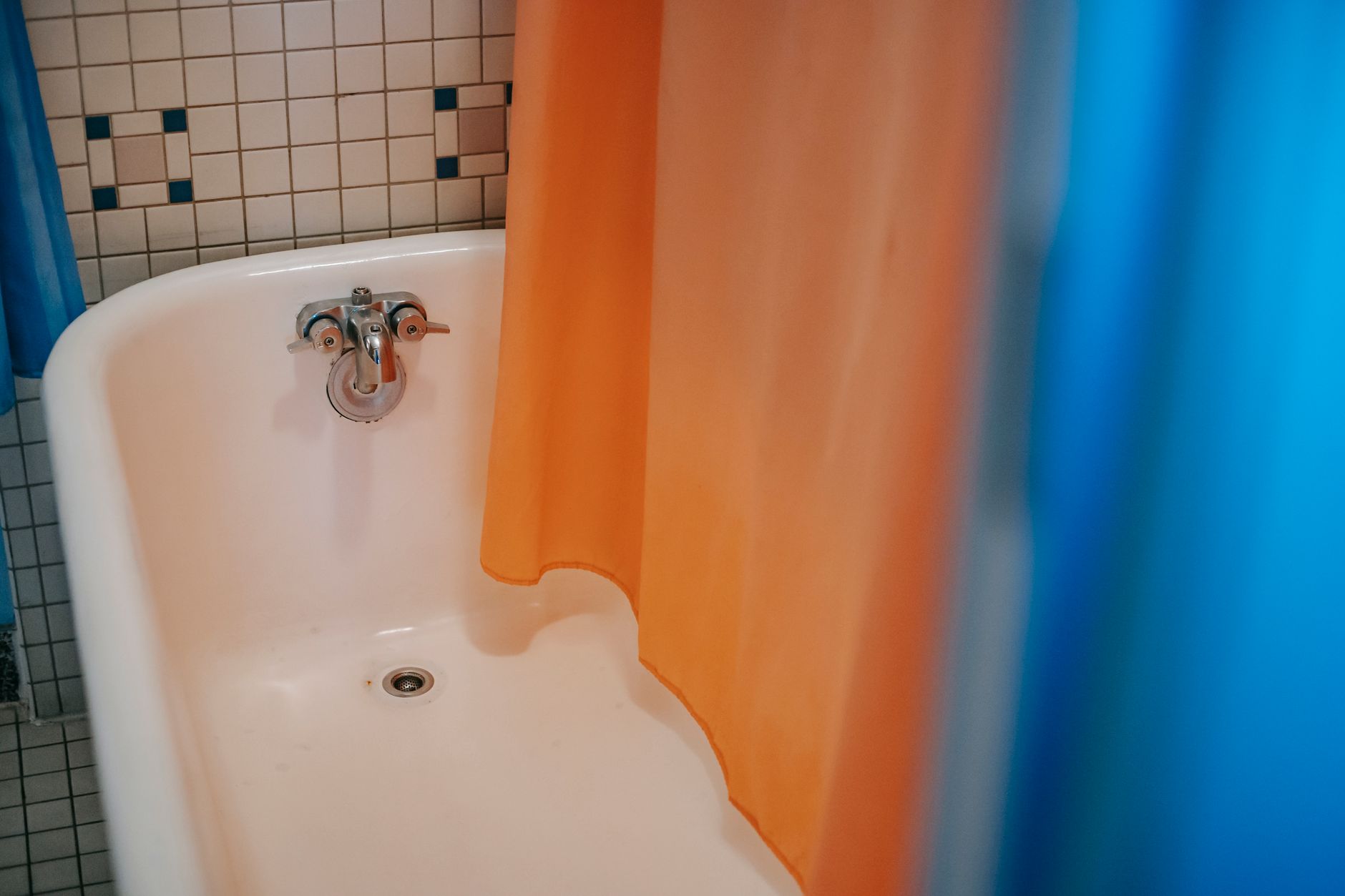 Photo by Charlotte May on Pexels
A shower curtain is the default for a reason. It’s the cheapest, fastest, most forgiving way to keep water in a tub or shower, and it can be swapped the moment your taste changes.
Pros
- Cheap to buy and swap. A decent curtain plus a liner runs $15 to $40. A premium weighted linen or cotton curtain might push $60 to $90, still a fraction of any door.
- DIY in minutes. A tension rod and a dozen hooks is the entire install. No drilling, no permit, no installer.
- Total privacy. An opaque curtain hides everything, which matters in shared bathrooms and for anyone who doesn’t love a clear glass box.
- Easy style changes. Swap the curtain for a new color or texture and the whole room shifts. It’s the single biggest style lever in a bathroom for under $50.
- Softer, warmer look. Fabric adds texture and softness to a room that’s otherwise all hard surfaces.
- Forgiving in odd spaces. Older homes with out-of-square walls, sloped ceilings, or unusual tub shapes are a headache for glass. A curtain doesn’t care.
Cons
- The puddle problem. If the liner isn’t tucked inside the tub or the curtain gaps at the ends, water escapes onto the floor.
- Mold and mildew. Liners trap moisture, and a damp plastic liner in a poorly ventilated bathroom will show pink or black spots within weeks. The EPA’s guide to mold and moisture is blunt about it: the fix is always moisture control, so ventilation and drying matter more than any product.
- Regular washing and replacement. Fabric curtains need a wash every month or two; plastic liners are usually replaced every 6 to 12 months.
- Can shrink a small bathroom. A closed, dark curtain across a tub visually cuts the room in half and blocks any window light behind it.
Glass Shower Door: Pros and Cons
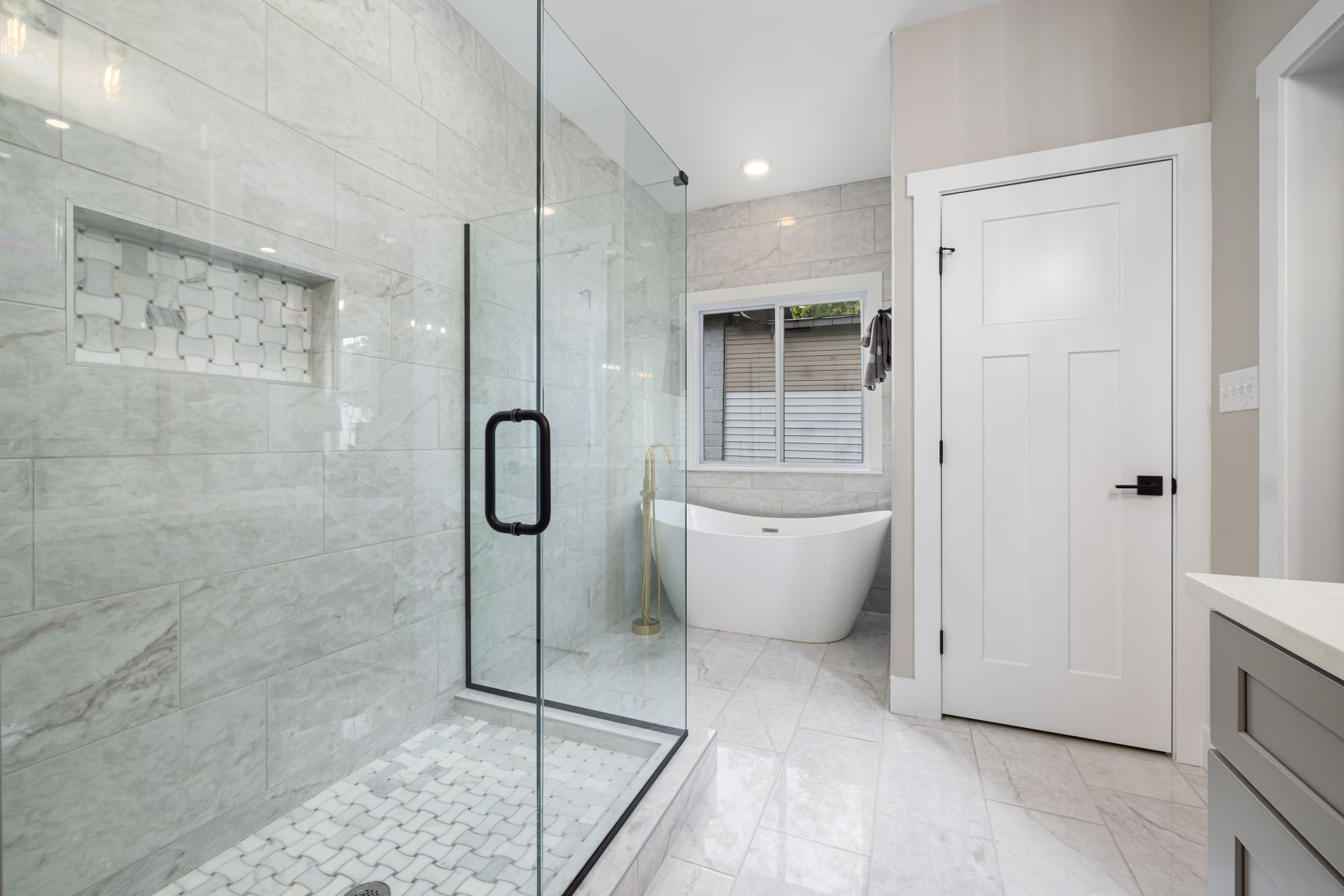 Photo by Curtis Adams on Pexels
A glass door is the “finished” option. It costs more and takes more to install, but it changes the way the entire bathroom reads.
Pros
- Wipes clean. A 20-second squeegee after each shower keeps glass looking new. No washing machine, no replacing liners.
- Better water containment. A properly sealed door keeps water in the shower, full stop. No tucking, no puddles.
- Retains heat. Glass holds warm air and steam inside the shower, which makes a real difference in a chilly bathroom in January.
- Makes the room look bigger and brighter. Clear glass keeps sightlines open and lets light travel across the room, so a small bathroom feels far less cramped.
- Long lifespan. A quality door lasts 20 to 30 years with basic care. That’s dozens of curtains and liners.
- Resale appeal. Buyers read glass as an upgrade, and it photographs beautifully.
Cons
- Higher upfront cost. Framed sliding doors start in the low hundreds; frameless doors run into the thousands installed.
- Professional install usually needed. Glass is heavy, walls are rarely plumb, and a bad install leaks. Most people hire this out.
- Hard-water spots and soap scum. Skip the squeegee for a week and you’ll see cloudy streaks that take real scrubbing to remove.
- Awkward for bathing kids or pets. A sliding track or a narrow swing door gets in the way when you’re leaning over a tub.
- Less privacy. Clear glass is clear. Frosted or reeded glass fixes this, but it’s an upcharge.
Head-to-Head: How They Compare
Cost (Upfront vs. Long-Term)
This is the biggest gap between the two options, so here are real ranges.
| Option | Typical cost | Notes |
|---|---|---|
| Curtain + liner + rod | $15 to $50 | Add $30 to $60 for a curved rod or a premium weighted curtain |
| Framed sliding glass door | $300 to $700 | Often DIY-able for a confident homeowner |
| Semi-frameless door | $600 to $1,200 | Cleaner look, usually pro-installed |
| Frameless glass door | $1,000 to $3,000+ installed | Custom-measured, thick tempered glass |
Over a long horizon the math narrows. Twenty years of curtain and liner replacements at roughly $40 a year adds up to around $800, and that’s before counting the time spent washing and rehanging. A mid-range door can pay for itself over the life of the bathroom. But if you’re not sure you’ll be in the home for a decade, the curtain wins on cost every time.
Cleaning and Maintenance
Day to day, glass is easier: squeegee, done. Weekly, it needs a wipe with a vinegar-and-water spray or a dedicated glass cleaner to keep soap scum and mineral spots from building up, and the track on a framed door collects grime that needs an old toothbrush now and then.
A curtain asks less of you daily and more of you monthly. Fabric curtains go in the washing machine on warm with a towel or two to scrub them; most liners can be washed the same way or simply replaced. If you’re the type who forgets, a curtain will look worse faster. If you’re the type who squeegees, glass will look better longer.
Water Containment and the Puddle Problem
A sealed glass door keeps water in. There’s no trick to it.
A curtain can get close with a few tricks. A curved or D-shaped rod pulls the curtain outward so it doesn’t cling to you or gap at the ends. A weighted liner with magnets or a heavy hem stays tucked inside the tub. And overlapping the curtain and liner at both ends, with the liner extending a few inches past the curtain, closes the gaps where most leaks happen. Do all three and a curtain contains water nearly as well as a framed door.
Privacy
A curtain is private by default. A clear glass door is not, and in a shared bathroom that can be a deal breaker.
The fix for glass is the glass itself. Frosted, reeded (fluted), rain, or acid-etched glass blocks the view while still letting light through. It typically adds 15 to 30 percent to the cost of the door, but it solves the privacy problem completely and looks intentional rather than like a compromise.
Making a Small Bathroom Feel Bigger
Light and sightlines decide how big a bathroom feels, and this is where glass pulls ahead. A clear panel lets your eye travel all the way to the back wall of the shower, so a 5-by-8 bathroom reads as the full 5 by 8 instead of stopping at a curtain. If your only window is inside the shower, a curtain blocks it entirely; glass lets that light fill the room.
If glass isn’t in the budget, choose a light-colored curtain, hang the rod as close to the ceiling as you can, and keep the curtain pushed open when the shower isn’t in use. It’s not the same, but it helps.
Resale Value
A glass shower door reads as an upgrade to buyers. It looks finished in listing photos, signals that the bathroom has been cared for, and removes the “what’s behind the curtain” question during showings. It rarely returns 100 percent of its cost on paper, but it makes a bathroom feel move-in ready, which is what sells.
A curtain is neutral. It won’t hurt a sale, but it won’t help one either. If you’re listing within a year or two, a door is one of the more visible bathroom upgrades for the money, especially paired with fresh caulk and clean grout.
Best Choice by Situation
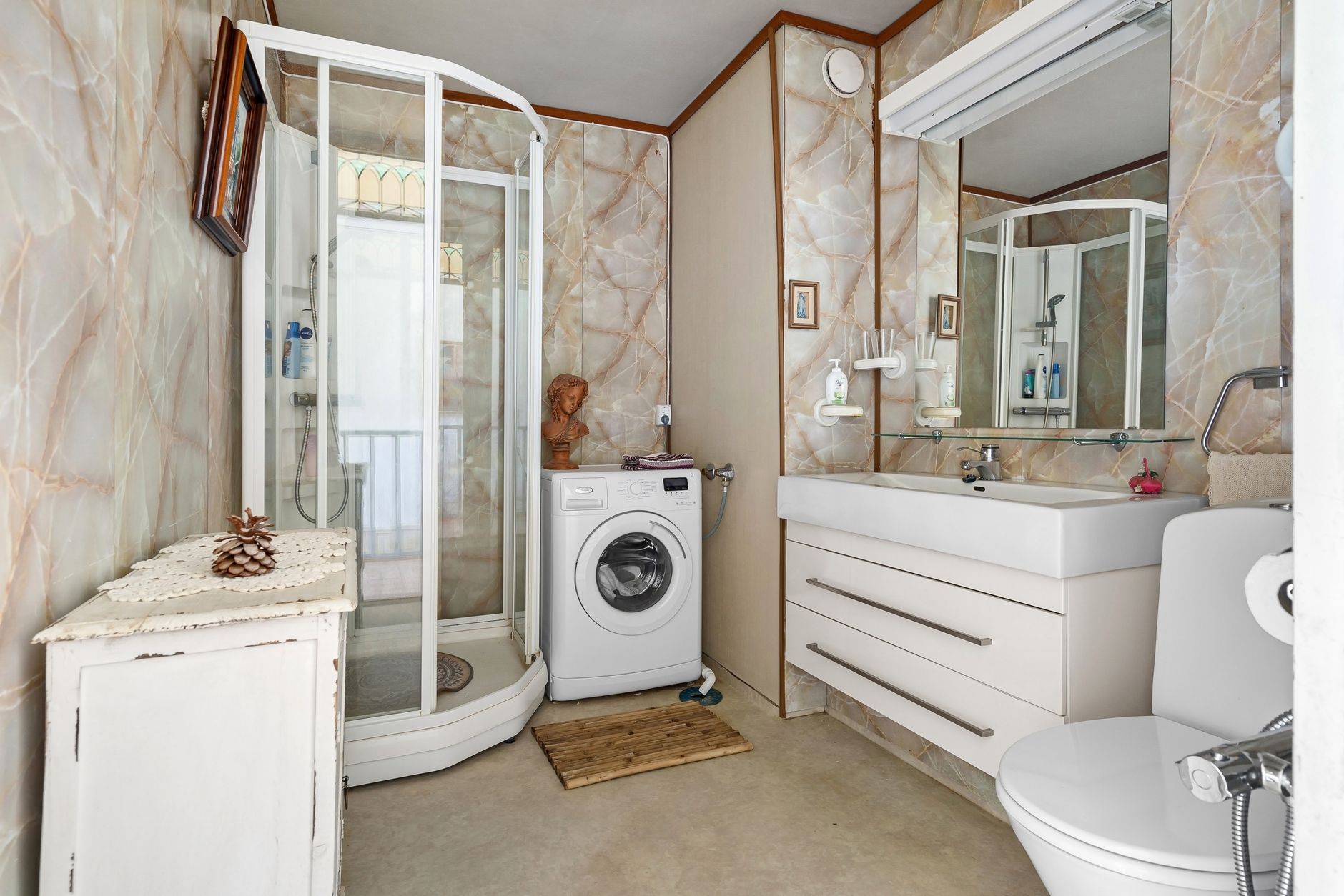 Photo by Lisa Anna on Pexels
Here’s the honest answer for the most common situations we hear about.
- Renters: Curtain. No install, no landlord conversation, and it moves with you. Spend the money on a good rod and a weighted curtain instead.
- Families with young kids or pets: Curtain, or a wide-swing hinged door if you’re buying glass. Avoid sliding tracks over a tub; leaning over them to bathe a toddler or a dog is miserable, and the track edge is hard on forearms.
- Small, windowless bathroom: Glass if you can afford it, to keep the space open and bounce light. If not, a light-colored curtain on a ceiling-height rod is the next best thing.
- Selling within a year or two: Glass door. It’s one of the few bathroom upgrades that shows up clearly in photos and in buyer perception.
- Aging in place or accessibility needs: Curtain, in most cases. It offers the widest clear opening, no threshold to step over, and nothing to bump into. The U.S. Access Board’s guide to bathing rooms is a useful reference for clearances and grab-bar placement even in a private home. If you want glass, look at a frameless panel with a low or no curb.
- Style refresh on a budget: Curtain. A new weighted curtain, matte black or brushed brass hardware, and a matching bath mat will transform a bathroom for under $100. Pair it with a few ideas from our bathroom section and you’re done in an afternoon.
The Hybrid Middle Ground
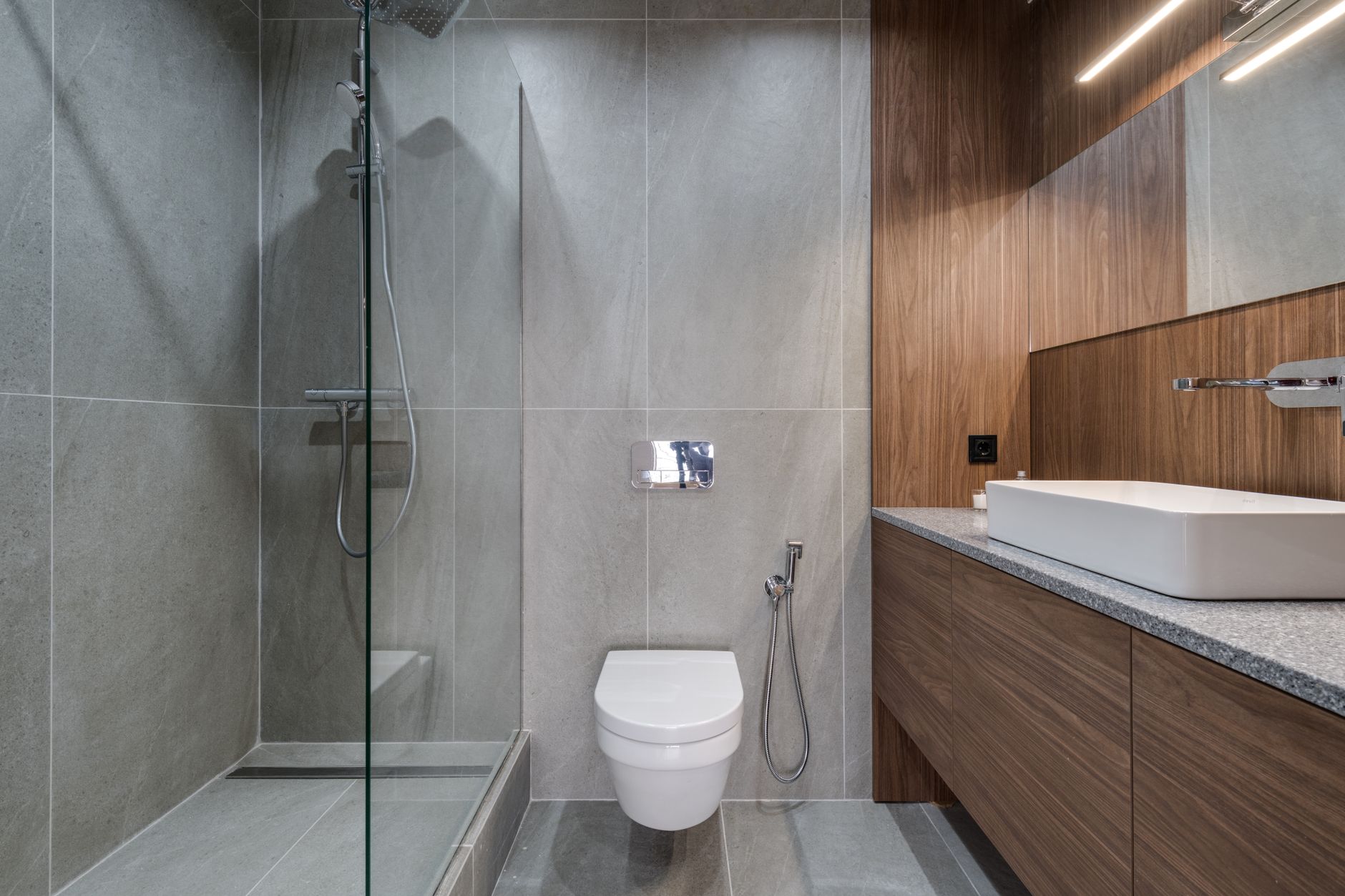 Photo by Max Vakhtbovych on Pexels
Most comparison articles present this as a two-option decision. It isn’t. There’s a lot of room between a $15 plastic curtain and a $3,000 frameless enclosure, and the middle is where most people should be looking.
Upgrade the curtain, not the whole shower. A weighted linen or cotton curtain in a natural color hangs straight, doesn’t billow, and looks like a design choice rather than a placeholder. Add a quality mildew-resistant liner (fabric liners outlast plastic), a curved or D-shaped rod for elbow room, and matching rings in matte black or brushed brass. Total cost is around $100 to $150, and the difference from a basic setup is dramatic.
Get the glass look without the door price. A single fixed glass panel, sometimes called a shower screen or splash guard, covers the wet end of the tub and leaves the rest open. It costs $150 to $500, keeps sightlines open, and there’s no track or hinge to clean. A semi-frameless framed door, with thinner metal and cleaner lines than a traditional framed unit, lands in the $600 to $1,200 range and looks far closer to frameless than its price suggests.
Choose safety glass, always. Any glass in a shower should be tempered. U.S. regulations under 16 CFR Part 1201 require safety glazing for shower and bath enclosures, so a reputable supplier will provide it by default, but it’s worth confirming on any secondhand or budget panel.
When a splash guard beats both. If you have a walk-in shower with a long enough wall (roughly 5 feet or more), a single fixed panel at the entry often contains water fine with no door at all. That’s the cleanest look of any option and the least to maintain.
Frequently Asked Questions
Is a shower curtain or glass door better?
Neither is universally better. Curtains win on cost, privacy, flexibility, and ease of install, which makes them the right call for renters, families, and tight budgets. Glass doors win on cleaning, water containment, light, and resale, which makes them the right call for owners who plan to stay or sell. Match the choice to your bathroom and how long you’ll be there.
Do glass shower doors add value to a home?
Generally, yes. Buyers read a glass door as an upgrade, it photographs well in listings, and it makes a bathroom feel finished and cared for. It rarely returns the full cost on paper, but it’s one of the more visible bathroom improvements for the money.
Are shower doors more hygienic than curtains?
Usually. Glass doesn’t absorb moisture and wipes clean, so mold and mildew have nowhere to take hold. Fabric curtains and plastic liners trap water in their folds and need regular washing or replacement to stay clean. Good ventilation matters for both.
Which is cheaper, a shower curtain or a glass door?
A curtain is far cheaper upfront, at $15 to $50 for a full setup versus $300 to $3,000 or more for a door. Over 20 or 30 years, a door can work out cheaper than repeatedly replacing curtains and liners, but only if you stay in the home long enough to see that payoff.
How do I stop water leaking from a shower curtain?
Use a curved or D-shaped rod so the curtain doesn’t cling or gap, choose a weighted liner and keep it tucked inside the tub, and overlap the curtain and liner at both ends with the liner extending a few inches past the curtain. Those three fixes solve the vast majority of puddles.
Do glass shower doors make a bathroom look bigger?
Yes. Clear glass keeps sightlines open to the back wall of the shower and lets light travel across the room, so a small bathroom feels noticeably more open than it does with an opaque curtain blocking half of it.
Is a glass shower door harder to clean than a curtain?
Day to day, glass is easier: a quick squeegee after each shower is all it takes. Where it needs more attention is hard-water spots and soap scum, which build up if you skip the squeegee. A curtain needs no daily care but has to be washed or replaced every month or two.
Can I get privacy with a glass shower door?
Yes. Frosted, reeded, rain, or acid-etched glass blocks the view while letting light through, so you keep the open, bright feel without the fishbowl effect. It typically adds 15 to 30 percent to the door’s cost.
The Bottom Line
There’s no universally right answer to the shower curtain vs door question. A curtain is cheap, private, flexible, and perfect for renters, families, and anyone who likes to change things up. A glass door is cleaner, brighter, longer-lasting, and the better choice for owners who want a finished bathroom that holds its value. And the middle ground, a weighted curtain on a good rod or a single fixed glass panel, is where a lot of people will find the sweet spot.
Whichever you choose, pair it with a few small styling moves for a spa feel: fresh caulk, a matching set of hardware, a good bath mat, and clean grout. If you’re ready for a bigger project, our full bathroom tile and shower guide walks through the whole process, from choosing classic subway tile to how to refresh the grout on older tile before you commit to anything new. And if you’d like more easy bathroom updates like this one, sign up for the newsletter and we’ll send the next one straight to your inbox.


