
Medicine Cabinet Organization: How to Organize a Bathroom Medicine Cabinet
Medicine cabinet organization sounds like a tiny job, and in square footage it is. But that shallow mirrored box is probably the most-opened, least-organized spot in your house. It quietly collects expired pain relievers, half-used ointment tubes, hotel samples, three of the same lip balm, and a pair of tweezers you can never find when you need them.
The good news is that it’s small enough to fix in one afternoon, and a good system holds for years with a fifteen-minute check-in every few months. This guide covers emptying and sorting, disposing of old medicine safely, zoning what’s left, picking containers that fit a 3 to 4 inch shelf, and labeling so the system survives a busy household. It also covers something most guides skip: what should not live in your medicine cabinet at all, because a steamy bathroom is a surprisingly bad place for many medications.
Start by Emptying and Sorting Everything
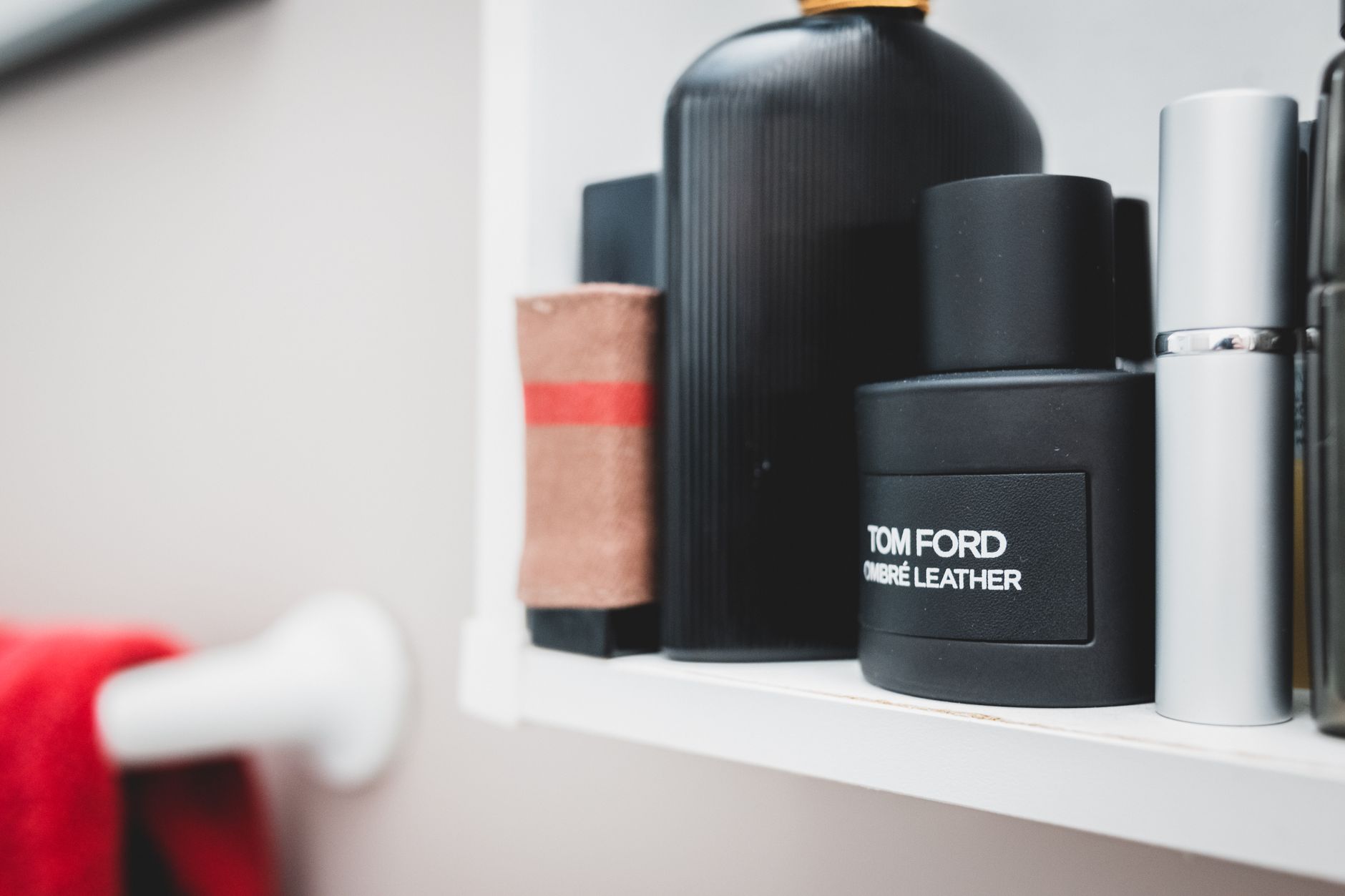 Photo by Erik Mclean on Pexels
Don’t organize around what’s already in there. Take every item out and set it on a towel on the counter. It feels like overkill for such a small space, but it’s the only way to see what you actually own.
While the shelves are empty, wipe them down (glass cleaner for glass, a damp cloth with a drop of dish soap for metal or plastic), and get into the corners and shelf rails where dried toothpaste collects. Let everything dry before anything goes back in.
Now sort the pile into three groups as you go:
- Keep: things you use and that are still good.
- Toss: anything expired, dried out, rusted, or that you honestly won’t use again.
- Relocate: items that belong somewhere else in the house (more on this below, because this group is bigger than most people expect).
Check dates on everything, not just medicine. Sunscreen, eye drops, contact lens solution, and many skincare products have printed expiration dates too. Ointments that have separated or hardened, old mascara, and rusty tweezers or clippers all go in the toss pile. For duplicates, keep the one you’re using and move the rest to a backup pile. And be honest: if a sample or gifted product hasn’t been touched in a year, it isn’t earning its shelf space.
Dispose of Old Medicine the Right Way
 Photo by Lance Reis on Pexels
Expired medications need more care than the rest of the toss pile. The first rule: don’t just flush them. Wastewater treatment doesn’t fully remove medicines, so they end up in waterways. The only exception is a short list of drugs, mostly powerful opioids, that the FDA says are dangerous enough to flush when no take-back option is available. You can check the exact list on the FDA’s flush list page; if a medicine isn’t on it, don’t flush it.
The best option for everything else is a take-back program. Many pharmacies, police stations, and hospitals have permanent drop boxes, and the DEA runs a nationwide collection day twice a year; find a location through the DEA’s take-back program page. If you’re already headed to the pharmacy for a refill, bring the old bottles along.
If no take-back option is convenient, household trash is fine as long as you follow the FDA’s guidance on safe disposal: take pills out of their bottles, mix them with used coffee grounds or cat litter, seal the mixture in a bag, and put that in the trash. This keeps them away from pets, kids, and anyone digging through the bin.
One step people forget: scratch out or peel off the label before tossing an empty prescription bottle. Your name, prescriber, and medication don’t need to be readable in a trash can.
Group Items by How You Use Them
Grouping by how and when you use things is what makes a cabinet stay organized: everything has one obvious home, so nobody has to decide where something goes. A set of zones that works for most households:
- Daily essentials: toothbrush, toothpaste, floss, razor, deodorant, daily moisturizer. Front and center, at eye level, easiest to reach.
- First aid: bandages, antibiotic ointment, antiseptic wipes, tweezers, a small pair of scissors, medical tape.
- Cold and flu: throat lozenges, nasal spray, a thermometer, and whatever over-the-counter remedies your family reaches for (note that the actual medicine may end up relocated; see below).
- Dental and skincare extras: whitening strips, mouthwash, spot treatments, lip balm.
- Backups and refills: the second toothpaste, spare razor cartridges, the extra floss.
Put the daily zone where your hand naturally lands when you open the door. Backups and seasonal items (allergy tablets, the winter thermometer) go on the top shelf.
Adjust the zones to your household. If you have young kids, their items (children’s medicine, kid’s toothpaste, a nasal aspirator) should be a separate group, and anything they shouldn’t reach moves out of the cabinet entirely. If you share the bathroom with a partner, giving each person their own “daily” bin prevents the “whose is this?” pileup.
Choose Containers That Fit a Shallow Cabinet
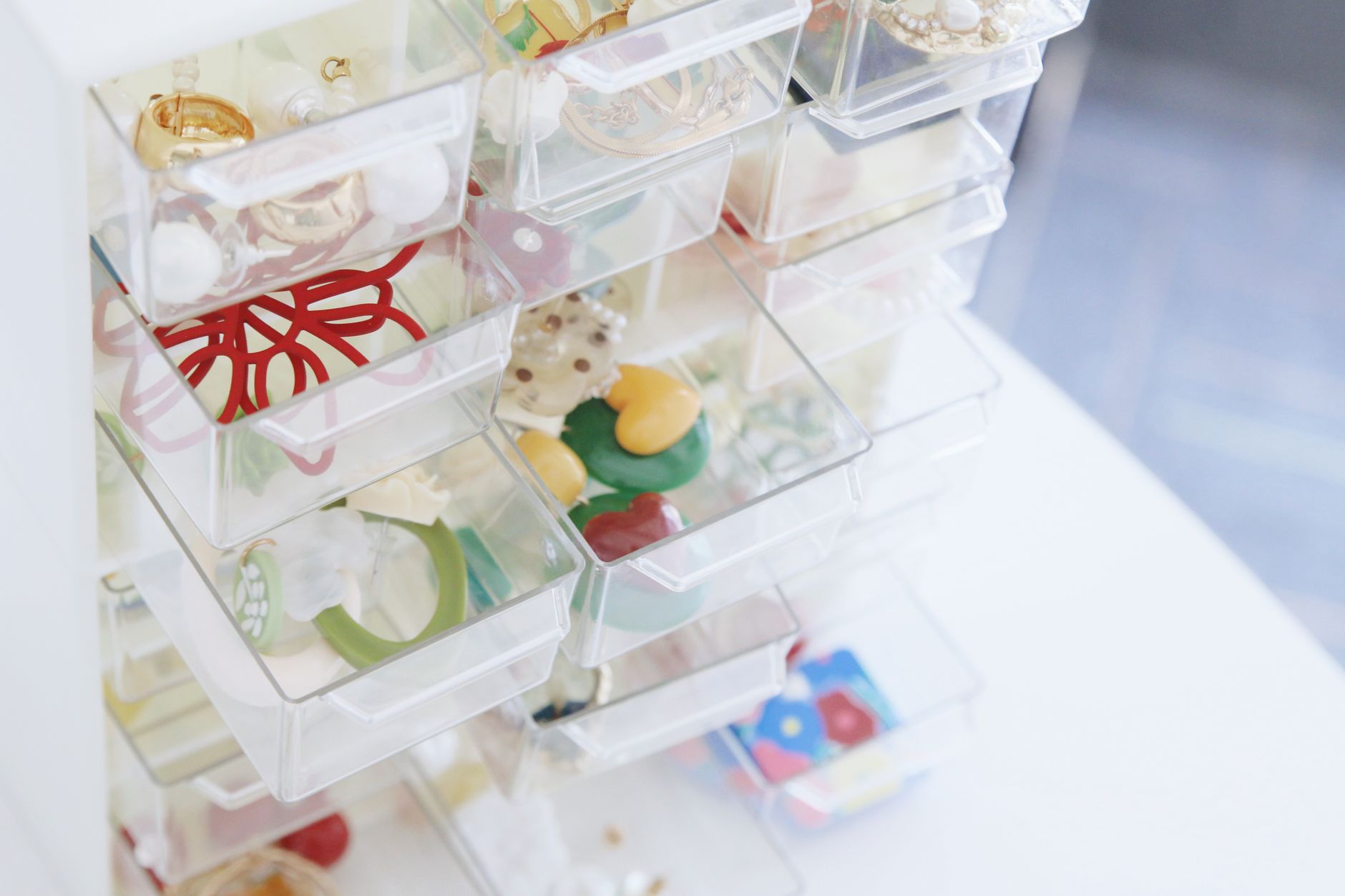 Photo by Sheilabox on Pexels
This is where most medicine cabinet organization projects go wrong. People buy bins that look great online, get them home, and discover the cabinet is only 3 inches deep. Before you buy anything, measure the interior depth, width, and height between shelves. Most recessed medicine cabinets are 3 to 4 inches deep, which rules out almost every general-purpose bathroom organizer.
What actually works in that depth:
- Narrow clear acrylic trays (roughly 2 to 3 inches wide, 3 to 4 inches deep, 1 to 2 inches tall). You can see what’s inside without pulling the tray out, and the low sides keep small tubes from tipping. Buy a few in the same size so they line up.
- Small bins with a lip for zones with more pieces, like first aid, so you can pull the whole bin out for a scraped knee and slide it back.
- A small tiered riser on any shelf with height to spare, so the back row of bottles is visible instead of hidden.
- A short cup for tall items like toothbrushes and razors. Standing them upright uses the vertical space between shelves instead of eating a whole tray.
Don’t forget the inside of the door. A stick-on magnetic strip holds tweezers, nail clippers, small scissors, and bobby pins, and it keeps sharp things away from little hands better than a loose tray. Small adhesive caddies can hold a few tubes. Check that the door still closes fully before you commit; clearance behind a mirrored door is often under an inch.
The same measure-first, go-vertical logic applies to the rest of a tight bathroom too. Most storage ideas for small bathrooms follow the exact same approach, and the medicine cabinet is just the first place to practice it.
Label Everything (and Keep It Legible)
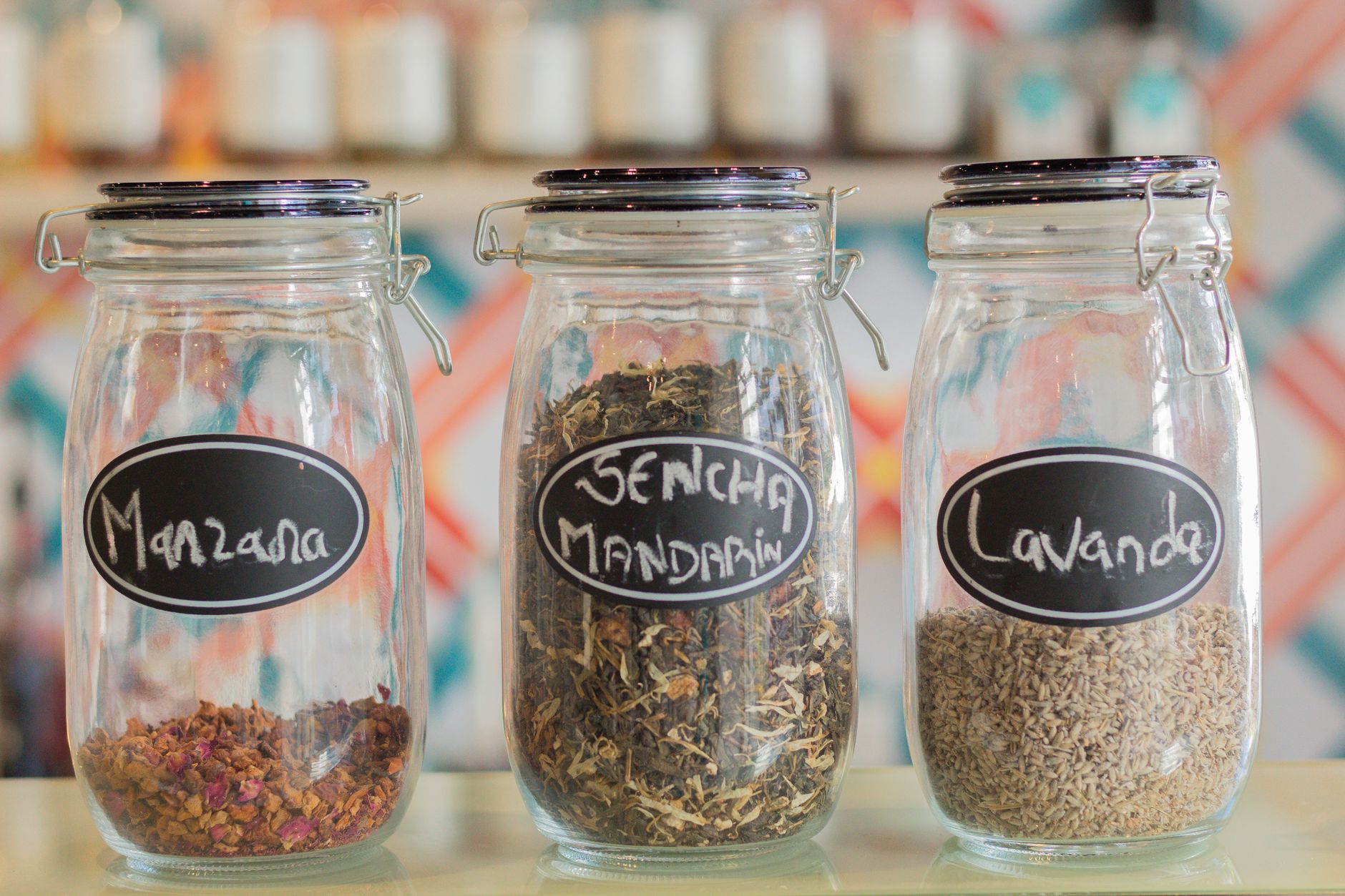 Photo by Daniela Crucez on Pexels
Labels are what turn “a cabinet I organized once” into “a cabinet that stays organized.” Without them, every new tube lands wherever there’s a gap and the zones erode within a month. With them, everyone in the household knows where things go without asking.
Label the front edge of each tray, not the top, so you can read it with the door open. Short category words work best: “First Aid,” “Cold & Flu,” “Dental,” “Daily,” “Backups.” A label maker is cleanest, but a permanent marker on washi tape works just as well. Legibility beats looks in a cabinet nobody else sees.
One optional addition that earns its space: a small dry-erase sticker inside the door for reminders like “buy more bandages” or “toss the eye drops after 30 days,” plus the date of your last clean-out.
What NOT to Store in Your Medicine Cabinet
Here’s the part most guides skip. The bathroom is often the worst room in the house to store medication. Every hot shower pushes the temperature and humidity well above what most pills are designed for, and a cabinet on the wall next to the shower gets the brunt of it. Heat and moisture can make tablets break down faster, capsules soften, and some medications lose potency before their printed expiration date. The name “medicine cabinet” is a habit, not a recommendation.
So move the medicine. Prescriptions, daily vitamins, and long-term over-the-counter pills belong in a cool, dry spot away from the bathroom: a high kitchen cupboard away from the stove, a bedroom closet shelf, or a dresser drawer. If you want a daily pill near your toothbrush for the routine, keep a week’s supply in a small labeled container and store the main bottle elsewhere.
What does belong in the cabinet is everything that doesn’t mind humidity: first-aid supplies, dental care, grooming tools, and the toiletries you actually use in that room.
Two safety notes. If there are children in the house, or children who visit, any medication (including “harmless” gummy vitamins) should be stored high and out of reach or in a lockable box. A cabinet at adult eye level is not out of reach of a curious eight-year-old standing on the toilet. And if you host guests, a bathroom medicine cabinet is one of the first places people look, and prescription bottles are an easy target. A bedroom drawer or a small lockbox solves both problems. Keep razor blades and scissors capped or clipped to the door strip rather than loose in a tray.
Keep It Organized: A 15-Minute Quarterly Reset
Every cabinet drifts. New products come in, samples get tossed on a shelf “for now,” and something expires without anyone noticing. A short, scheduled reset keeps the drift from turning back into chaos.
Put a recurring reminder on your phone for every three to four months. When it fires, spend fifteen minutes on this:
- Pull out each bin, glance through it, and toss anything expired or empty.
- Wipe the shelves.
- Put back what’s left, in its zone.
- Note anything running low (bandages, floss) and add it to the shopping list.
Because everything is already zoned and labeled, the reset is fast. A full clean-out with a date check on every item is only needed about once a year.
Between resets, adopt one rule for samples and freebies: one in, one out. If a travel-size toothpaste comes home from the dentist, use it now or take a duplicate out of the cabinet. Samples are the biggest reason a tidy cabinet fills up again, and this habit stops it.
No Medicine Cabinet? Here’s the Workaround
Plenty of bathrooms, especially rentals and older homes, don’t have a medicine cabinet at all. The system still works; it just needs a different container.
The easiest option is a labeled caddy or a few clear bins in the vanity or linen closet, using the same zones and front-edge labels. A caddy with a handle is handy because you can carry it to the sink and put it away after. If the vanity is full and your walls are free, an over-the-toilet storage unit adds two or three shelves, and the top one is a fine home for a lidded first-aid bin. Whatever you use, keep the medicine itself out of the bathroom for the same heat-and-humidity reasons above.
Frequently Asked Questions
How do you organize a small or shallow medicine cabinet?
Measure the depth first, since most medicine cabinets are only 3 to 4 inches deep and standard bathroom bins won’t fit. Use narrow clear acrylic trays, a small tiered riser to see the back row, and stand tall items like toothbrushes upright in a cup. Then use the inside of the door with a magnetic strip for metal tools and a small adhesive caddy for tubes.
How often should I clean out my medicine cabinet?
A quick fifteen-minute purge every three to four months is enough to catch expired products and empties before they pile up. Do a full clean-out, with a proper date check on every single item, at least once a year. Setting a recurring phone reminder is the easiest way to make sure it actually happens.
Is it bad to store medicine in the bathroom?
Often, yes. Heat and humidity from showers can degrade many medications and reduce their potency before the expiration date. Keep pills, prescriptions, and vitamins in a cool, dry spot like a bedroom closet or a high kitchen cupboard, and reserve the bathroom cabinet for tools, first aid, and daily toiletries.
How do I dispose of expired medications safely?
The best option is a pharmacy or DEA take-back drop box. If none is convenient, mix the pills with used coffee grounds or cat litter, seal the mixture in a plastic bag, and put it in the household trash. Only flush medications that appear on the FDA’s flush list, and scratch personal information off prescription labels before tossing the bottles.
What should you keep in a medicine cabinet?
First-aid supplies, dental care, daily grooming items, and the toiletries you reach for every day. Prescriptions, long-term supplies of over-the-counter pills, and anything a child could get into are better stored somewhere cool, dry, and out of reach.
How do I keep my medicine cabinet organized long-term?
Zone everything by how you use it, label the front of every bin so the whole household knows where things go, and run a short quarterly reset to toss expired items. A “one in, one out” rule for samples and freebies keeps new clutter from creeping in between resets.
What are the best organizers for a medicine cabinet?
Clear acrylic trays and small bins sized to the shelf depth are the workhorses, since you can see contents at a glance. Add a small tiered riser for shelves with extra height and a magnetic strip or adhesive caddies on the inside of the door for tools and tubes.
How do I organize medicine without a medicine cabinet?
Use a labeled caddy or a few clear bins in a vanity, linen closet, or over-the-toilet unit and apply the same zone-and-label system. A caddy with a handle is especially practical because you can bring it to the sink and put it away again. Keep actual medications out of the bathroom regardless.
Conclusion
Medicine cabinet organization comes down to six moves: empty it, dispose of old medicine safely, zone what’s left by use, choose containers that fit a shallow shelf, label every bin, and move anything that shouldn’t be in a humid bathroom somewhere better. None of it takes more than an afternoon, and the quarterly reset keeps it from sliding back.
Once the cabinet is sorted, the rest of the room is usually next. To tackle the vanity, shower, and closet with the same zone-and-label logic, a full bathroom organization system walks through the whole room step by step. For more room-by-room resets, browse our bathroom guides or sign up for the newsletter.


