
Composite vs. Wood Decking: Which Is Right for You?
If you’re picking between composite vs wood deck materials, you already know both options can give you a beautiful backyard. The harder question is which one fits your budget, your climate, and how much weekend maintenance you actually want to sign up for. Wood is cheaper today and composite is cheaper over time, but that trade-off plays out differently depending on your situation. This guide breaks down cost, durability, looks, and maintenance side by side, then gives you a simple decision framework so you can choose with confidence instead of just comparing spec sheets.
What’s the Real Difference Between Composite and Wood Decking?
 Photo by cottonbro studio on Pexels
Wood decking is exactly what it sounds like: natural lumber milled into deck boards. Most budget builds use pressure-treated pine, which is chemically treated to resist rot and insects. Step up in price and you get cedar or redwood, which are naturally more rot-resistant and have a richer grain, or premium tropical hardwoods like ipe, which are dense, heavy, and built to last decades with the right care.
Composite decking is an engineered product, typically a blend of wood fibers and recycled plastic, pressed into boards. Most modern composite boards also have a “cap,” a hard plastic shell wrapped around the core that blocks moisture and UV damage. That cap is the biggest reason composite has gone from a niche product to the default choice on a huge share of new decks: it’s what lets composite skip the sanding, staining, and sealing that wood needs every year or two.
Upfront Cost: What You’ll Pay to Build
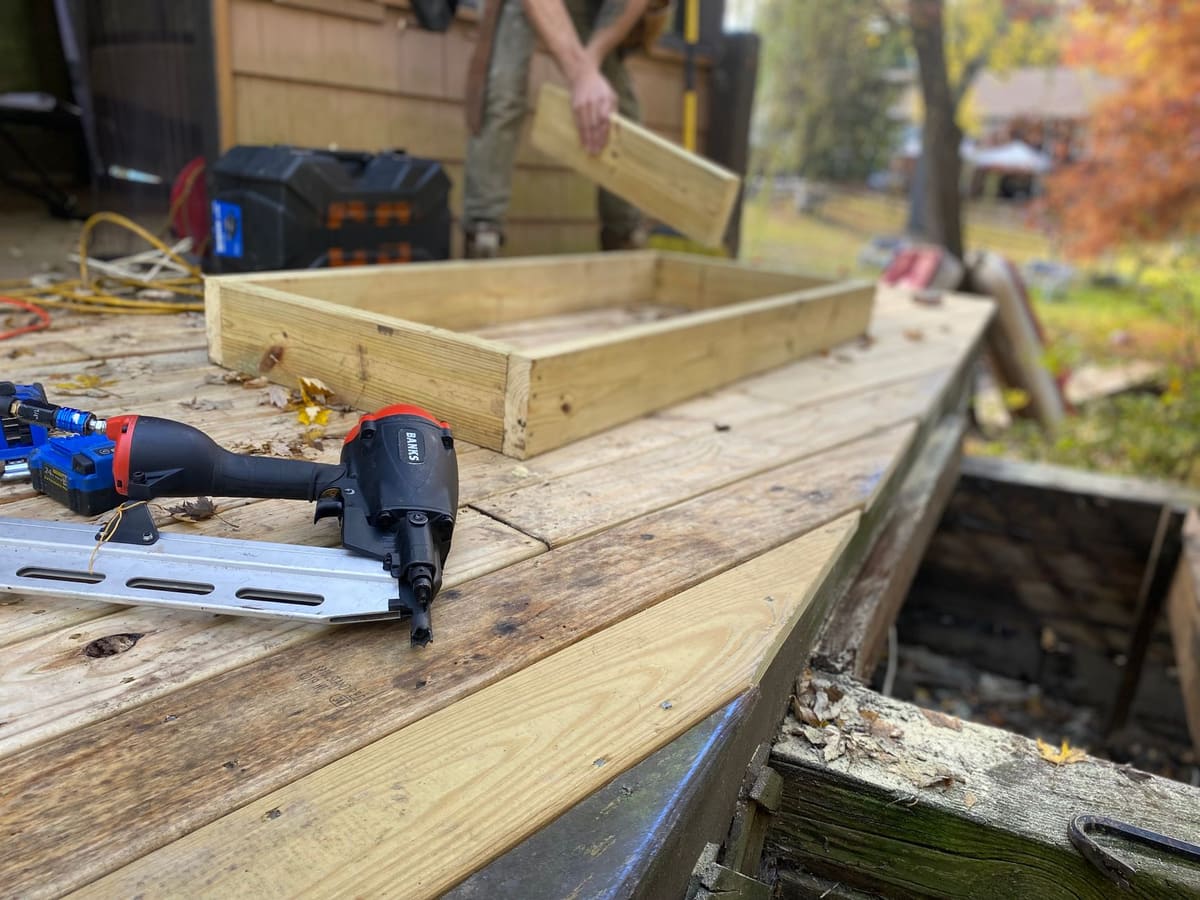 Photo by Sadie Burnell on Pexels
Wood wins on day one. Pressure-treated pine typically runs $3 to $7 per square foot for materials, cedar lands around $5 to $10, and premium hardwoods can climb past $15. Composite decking usually starts around $7 to $10 per square foot and can reach $13 or more for premium capped lines, so you’re often looking at composite costing 30 to 60 percent more than basic pressure-treated wood just for materials, a gap Bob Vila’s cost breakdown confirms holds up across most regional markets.
Labor costs narrow that gap somewhat. Composite boards are more consistent in size and don’t need to be sorted for warping or knots, which can shave install time. But composite is also heavier and some systems use hidden fastener clips that take longer to place than face-screwing wood, so labor often ends up close to a wash between the two materials.
Here’s the part a lot of buyers miss: that higher composite sticker price is really prepaying for maintenance you’d otherwise spread out over 10 or 15 years of staining, sealing, and board repairs. It’s not an apples-to-apples comparison unless you look past the initial invoice.
Long-Term Cost: Maintenance, Repairs, and Lifespan
This is where the math flips. A wood deck needs cleaning and re-sealing roughly every one to two years, and full staining every two to three years, which typically runs $2 to $4 per square foot each time you do it, plus your own labor if you DIY it. Skip that upkeep and wood deteriorates fast. Composite decking generally needs nothing more than an occasional wash with soap and water, maybe twice a year, with no staining or sealing required at all.
Lifespan tells a similar story. Untreated or pressure-treated wood decks typically last 10 to 15 years before boards need significant repair or full replacement, even with reasonable care. Capped composite decking is commonly rated for 25 to 50 years, and many manufacturers back that up with lengthy warranties, a spread Decks.com’s material comparison lays out in detail. Over a 20-year span, a wood deck owner may replace their entire deck once or twice, while a composite owner is often still on their original boards.
Repairability cuts the other way, though. A damaged wood board can be sanded, patched, or restained to blend back in. Composite boards generally can’t be refinished; a badly gouged or faded composite board usually has to be swapped out entirely, and matching an older board’s color exactly can be tricky once a product line is updated.
Durability: Weather, Rot, Insects, and Heat
 Photo by Stefan Stefancik on Pexels
Wood is organic, so it’s vulnerable to organic problems. Moisture trapped between boards or against ledger boards can lead to rot, and any untreated wood is an open invitation to termites and carpenter ants. Even well-maintained wood can warp, cup, crack, or splinter as it swells and dries with the seasons, especially in climates with big humidity swings or freeze-thaw cycles, a risk Travelers’ homeowner guide flags as a common source of insurance claims for older wood decks.
Composite sidesteps almost all of that. It doesn’t rot, and insects have no interest in a plastic-wrapped board. It won’t splinter, so it’s a noticeably better choice for bare feet and kids running around the yard. The trade-off is heat: composite decking, especially in darker colors, absorbs and holds more heat than wood and can get genuinely uncomfortable to walk on barefoot during a sunny afternoon. Lighter-colored, capped boards perform better here, but composite will generally run hotter than a wood deck of the same color in direct sun.
Looks and Feel: Which One Suits Your Home?
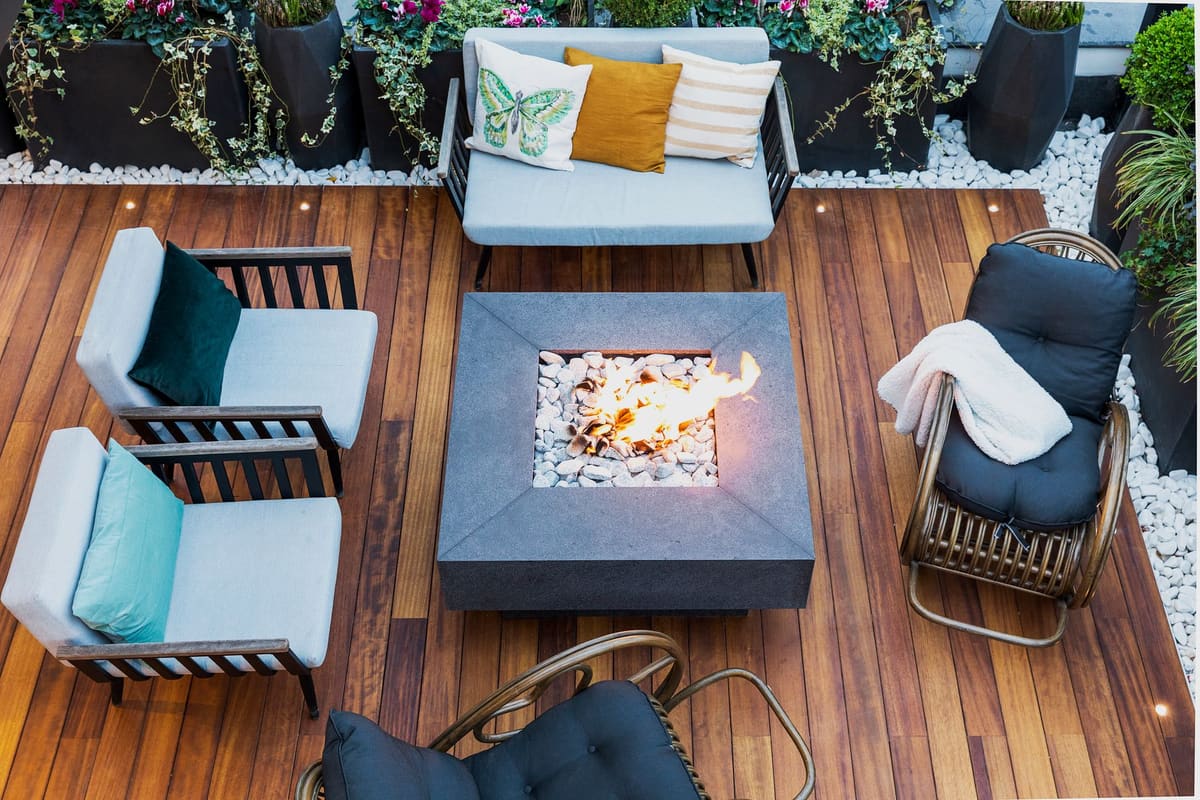 Photo by Nasim Didar on Pexels
Real wood has a warmth and natural variation that’s hard to fake: every board has its own grain pattern, and that authenticity is a big reason some homeowners won’t consider anything else. Wood also ages visibly, weathering to a soft silver-gray over time if left unsealed, which some people love as a rustic patina and others see as a maintenance problem.
Composite has closed a lot of the visual gap in the last decade. Modern capped composite lines come in wood-grain textures and a wide range of colors, from warm cedar tones to deep browns and grays, and manufacturers now offer multi-tonal boards designed to mimic natural variation. Composite’s real advantage is consistency: it looks essentially the same in year one and year fifteen, with no fading patchwork or color shift from board to board, while wood’s appearance depends heavily on how diligently it’s maintained.
Decision Framework: Composite vs. Wood for Your Situation
There’s no single “better” material here, only the better fit for your circumstances. Use this as a quick gut check.
Choose wood if:
- Your budget is tight right now and you want the lowest possible upfront cost
- You don’t mind (or even enjoy) seasonal deck upkeep
- You want the specific look and feel of natural grain
- You’re not planning to stay in the home long-term, so a shorter deck lifespan is less of a concern
Choose composite if:
- You want a low-maintenance deck you can enjoy without a yearly project list
- You’re comfortable paying more upfront to save money and time over 10-plus years
- You plan to stay put for a while, or you’re building with resale appeal in mind
- You have kids or pets and want to avoid splinters and constant surface upkeep
Consider a hybrid approach. A popular middle ground is building the substructure, the joists and framing, out of pressure-treated wood, then topping it with composite decking boards. You get composite’s low-maintenance walking surface where it matters most, while keeping costs down on the structural lumber underneath, which is a smart way to stretch a budget without giving up composite’s day-to-day benefits.
Worth noting on two practical points: wood is generally the easier DIY install for a confident weekend builder, since it’s simpler to cut, adjust, and fasten with basic tools, while composite systems with hidden fasteners have more of a learning curve. On resale, composite often appeals to buyers who specifically want to avoid deck maintenance, but a well-kept wood deck, especially in a premium species, can be just as strong a selling point if it’s been cared for.
If you’re weighing this decision as part of a bigger backyard project, it’s worth planning the whole build before you buy a single board. Our full deck building guide walks through framing, permits, and sequencing so you don’t end up reworking a structure to fit your material choice.
Frequently Asked Questions
Is composite decking really worth the extra cost?
Usually, yes, if you’re planning to own the home for 10 or more years. Once you factor in the staining, sealing, and board replacement you’d otherwise pay for with wood, composite typically comes out ahead in total cost of ownership. If you’re planning to move soon, the upfront savings of wood may make more sense.
How long does composite decking last compared to wood?
Composite decking typically lasts 25 to 50 years, depending on the product line and warranty. Untreated or pressure-treated wood decks generally last 10 to 15 years before major repairs or full replacement are needed, assuming reasonably regular maintenance.
Does composite decking get too hot to walk on barefoot?
It can, particularly darker-colored boards in direct summer sun. Lighter colors and modern capped composite boards handle heat better than older uncapped products, but composite still tends to run hotter underfoot than wood decking in the same conditions.
Can you stain or paint composite decking?
No, composite decking doesn’t accept stain or paint well because the color is baked into (or capped onto) the board during manufacturing. That’s exactly why choosing your color upfront matters so much with composite, since you’re stuck with it for the life of the deck.
Is wood decking cheaper to install than composite?
Yes, wood is almost always cheaper for materials, and often for labor as well. The catch is that wood costs more over time thanks to annual maintenance, periodic restaining, and a shorter overall lifespan compared to composite.
Which decking material adds more resale value?
It depends on the buyer. Composite often appeals to people who specifically want a low-maintenance deck, which can be a strong selling point. But a well-maintained wood deck, especially in a premium species like cedar or ipe, can be just as compelling to buyers who value natural materials.
Can you mix composite and wood in the same deck?
Yes, and it’s a common budget strategy. Many homeowners build the frame and substructure out of pressure-treated wood, then install composite decking boards on top, combining wood’s lower structural cost with composite’s low-maintenance surface.
What’s the most low-maintenance decking option?
Capped composite decking is the clear winner here. It typically needs nothing more than an occasional soap-and-water cleaning, compared to the annual sealing and periodic staining that wood decking requires to stay in good shape.
The Bottom Line
Composite and wood decks can both look fantastic and both hold up for years, so the “right” choice really comes down to your budget, your climate, and how much time you want to spend maintaining your backyard. If you want to keep costs down now and don’t mind the upkeep, wood is a solid, proven choice. If you’d rather pay more upfront for decades of low-maintenance enjoyment, composite is likely the better long-term investment.
Once you’ve settled on a material, the next steps are choosing your railing style and knowing how to keep your deck looking sharp for years to come. If you go with wood, bookmark our refinishing guide for when it’s time to bring the boards back to life, and either way, our railing ideas roundup is a great place to start thinking about how to finish off the whole build.


