
Budget Window Treatment Ideas That Look Expensive
Cheap curtains get a bad reputation, but the truth is they rarely look cheap because of the price tag. They look cheap because of how they’re hung and how much fabric is actually on the rod. Fix those two things and a $25 panel from a big-box store can pass for a custom window treatment. Below is the real framework for why budget curtains give themselves away, a run of buy-it and DIY fixes (mostly no-sew), and a spend-priority order so you know exactly what to tackle first, whether you have $0 or $50 to work with.
First, Why Cheap Curtains Look Cheap (The 3 Tells)
Before buying anything, it helps to understand what your eye is actually reacting to when a curtain reads as an afterthought instead of a design choice. It almost always comes down to three things.
Length. Curtains that float an inch or two above the floor look unfinished, like they were never properly measured. The expensive look comes from panels that just kiss the floor, or puddle slightly, by about 1 to 2 inches.
Fullness. This is the number one giveaway. A single flat panel stretched tight across a window looks thin and stingy, no matter how nice the fabric is. You want roughly twice the width of your window in fabric, so the folds stay soft and generous even when the curtains are pushed open.
Hanging height and width. A rod mounted right on the window frame boxes the window in and makes the whole wall feel shorter. Mount it higher, 4 to 6 inches above the frame or closer to the ceiling, and extend it 8 to 12 inches past each side of the window. That one move alone makes the window, and the room, look bigger.
Fix these three things and most of the “cheap” look disappears before you spend another dollar.
Free Fixes: Rehang What You Already Own
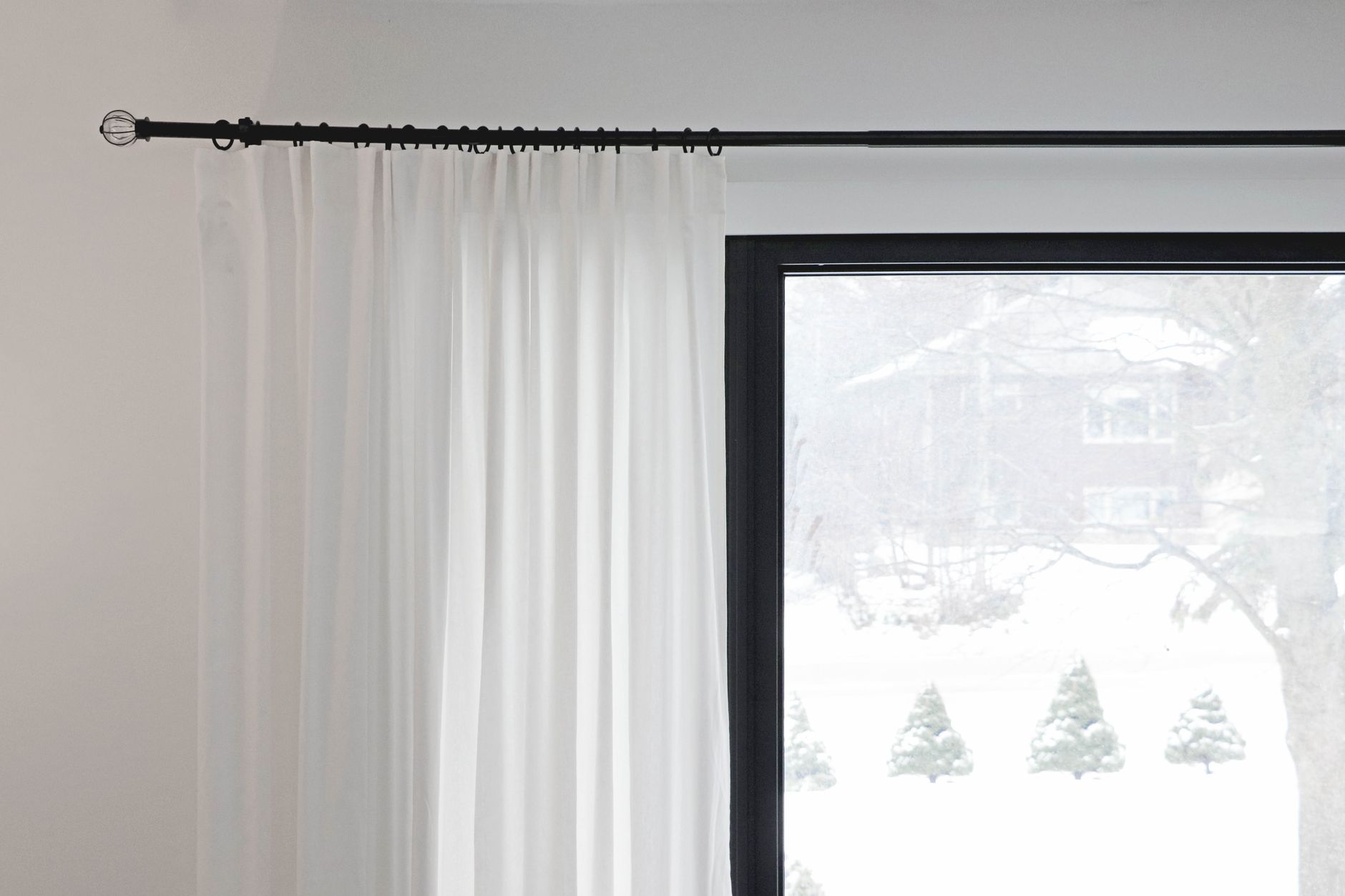 Photo by Designecologist on Pexels
Start here, because none of this costs anything.
- Raise the rod. Moving your existing rod higher and wider is the single highest-leverage, zero-cost change you can make. Do this one thing even if you change nothing else.
- Steam or iron out the packaging creases. Those sharp fold lines from the plastic packaging read as “just unwrapped,” not “designer.” A few minutes with a steamer or iron fixes it instantly.
- Train the pleats. Fold your curtains into loose accordion folds and tie them gently in three places (top, middle, bottom) for two to three days. When you release them, the fabric holds soft, permanent-looking pleats instead of hanging flat and limp.
- Add makeshift drapery weights. Sew a few coins or washers into the bottom hem corners. The added weight pulls the fabric straight down for a crisp, tailored hem instead of a flutter.
Cheap Buys That Punch Above Their Price
 Photo by Zulfu Demir on Pexels
Once you’re ready to spend a little, put the money where it shows.
- Buy extra-long or extra-wide panels, or double up. Look for 96 inch or 108 inch panels instead of the standard 84 inch, and consider hanging two panels per side instead of one for instant fullness.
- Upgrade the hardware. A slim matte-black or brushed-metal rod with decorative finials and real rings or hooks does more visual work than the curtain fabric itself. A classic, well-finished pole is genuinely hard to tell apart from an expensive one.
- Choose fabric that reads rich for less. Linen and faux-linen blends, cotton, velvet tab-tops, and natural woven or bamboo shades all look more expensive than their price suggests.
- Stick to standard sizes instead of custom. Ready-made panels in common window sizes avoid the “custom window treatment” markup entirely while still looking tailored once hung correctly.
DIY and No-Sew Upgrades (Renter-Friendly)
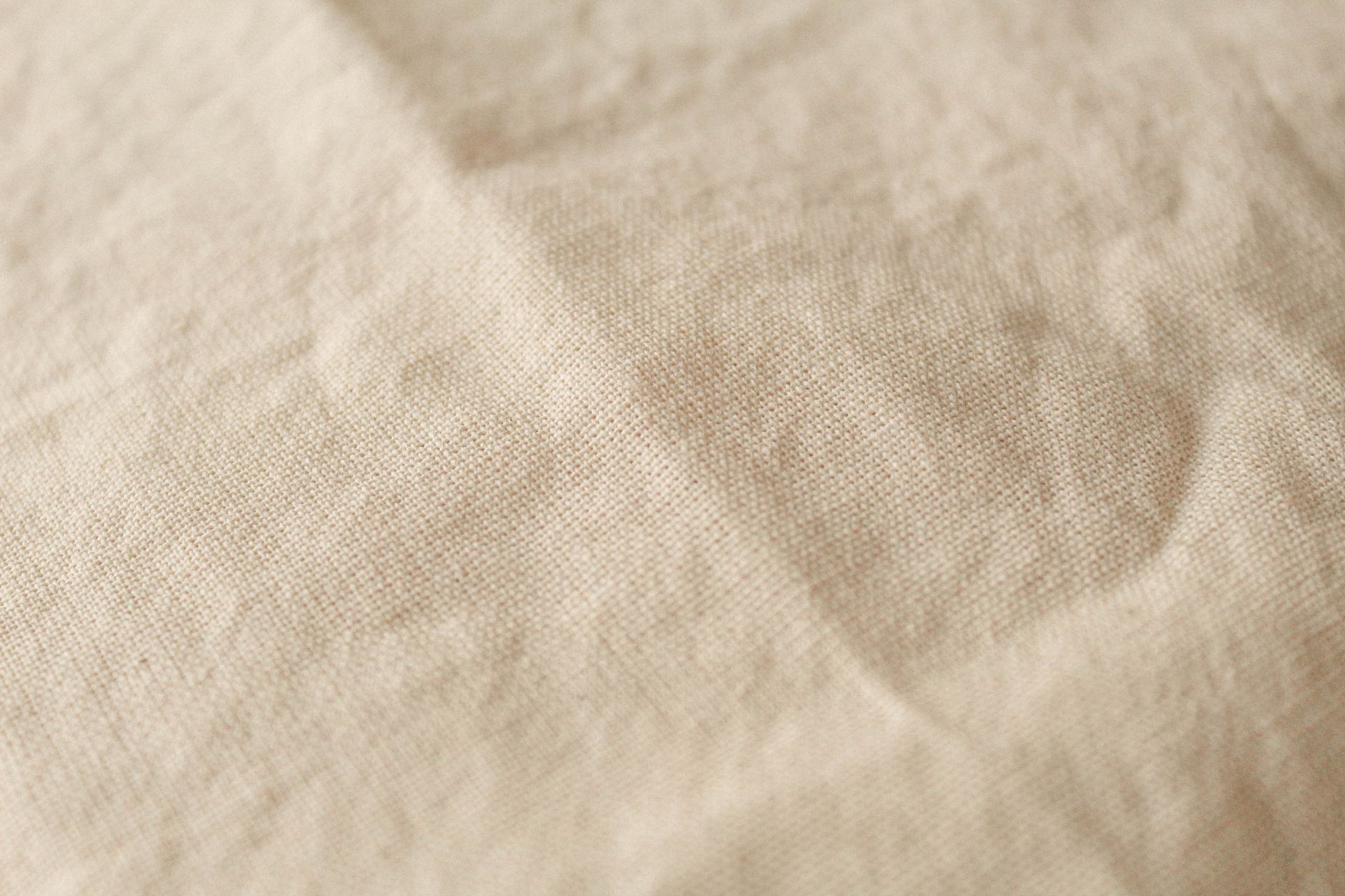 Photo by amanda cavalcante on Pexels
These tricks work especially well if you’re not allowed to drill, or just don’t want to.
- Canvas drop cloths, clipped into curtains. A painter’s drop cloth from the hardware store, hung with curtain clip rings, gives you a heavy, textural, linen-like panel for a fraction of the cost. No sewing required.
- Add trim to the leading edge. Iron-on tape trim, ric-rac, braided cording, or fringe along the inner edge of each panel adds a tailored, finished detail that looks custom-made.
- Combine two panels into one. Sew or hem-tape two flat panels together side by side to double the fullness on one rod. This is the fix that most directly solves the “thin, stretched” problem.
- Go no-drill. Tension rods and command hooks let renters hang full-length curtains without putting a single hole in the wall.
- Add a cheap liner. Lining thin, see-through panels with an inexpensive blackout or cotton liner adds weight, improves the drape, and gives you better light control, all for the cost of a few yards of fabric.
Layering Like a Designer
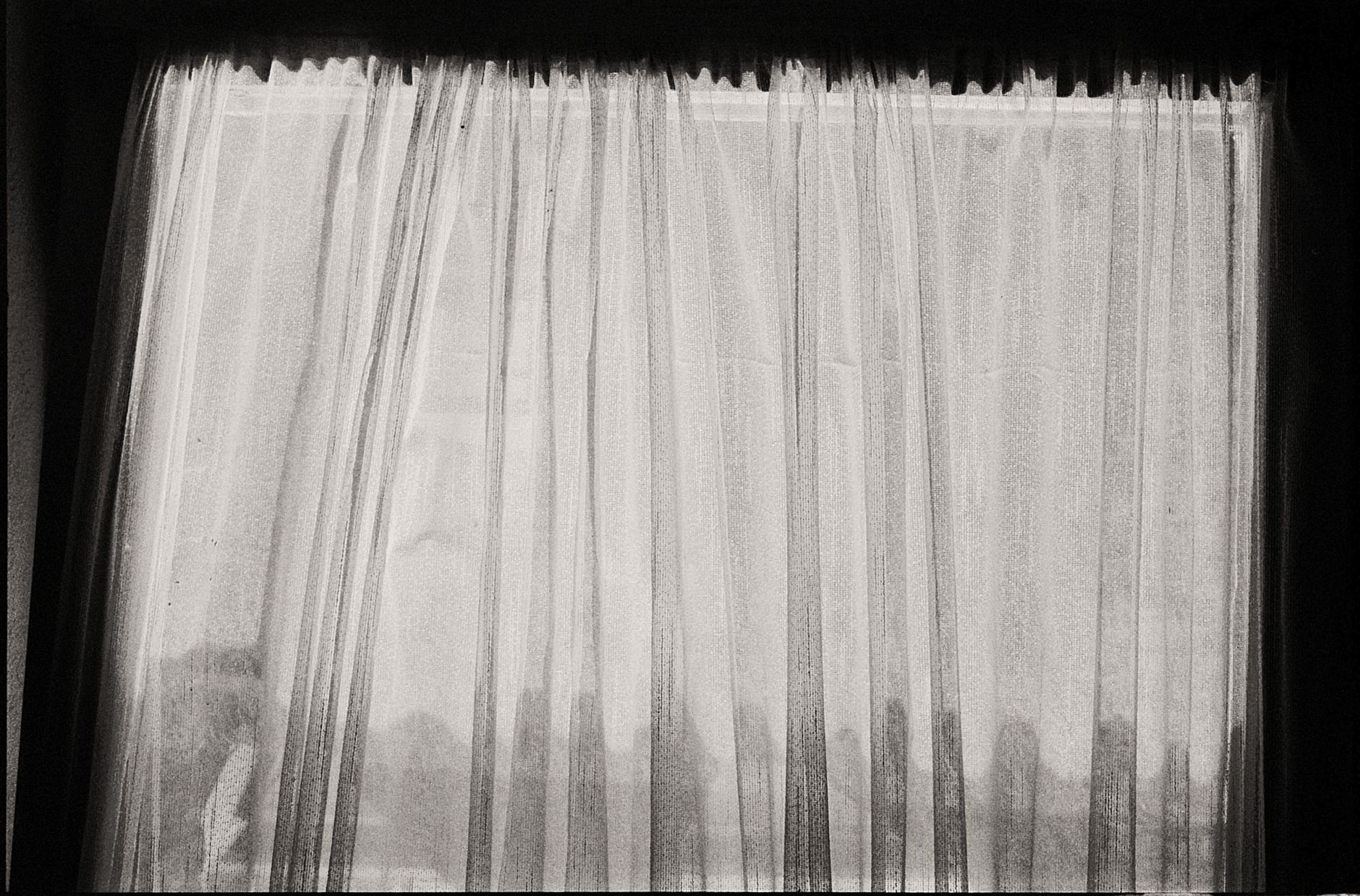 Photo by Emmanuel Codden on Pexels
Designers rarely hang a single flat panel and call it done. Layering is what makes a window treatment feel finished rather than functional.
Pair sheers underneath your drapes for softness, privacy, and depth during the day, then let the heavier panels do the work at night. Curtains layered over Roman or bamboo shades add texture without adding bulk, and mixing materials, like a woven shade under a linen panel, reads as intentional rather than busy. The key is keeping your palette cohesive: stick to one or two tones so the layers feel like a single designed look instead of mismatched pieces.
What to Do First: A Spend-Priority Order
If you’re not sure where to start, work through your budget in this order.
At $0 today: rehang the rod higher and wider, steam out the wrinkles, train the pleats, and add coin or washer weights to the hems. This alone solves most of the problem.
At around $20: upgrade the rod, finials, and rings. Hardware has an outsized effect on how “finished” a window looks.
At around $50: add a second, wider, or longer panel per side to fix length and fullness at the same time, or invest in a liner and some edge trim for texture.
The underlying rule is simple: spend on presentation, meaning the rod, the height, and the fullness, before you spend on fancier fabric. A gorgeous fabric hung low and flat on a short rod will still look like a bargain. A plain cotton panel hung high, wide, and full will not.
Frequently Asked Questions
How do you make cheap curtains look expensive?
Hang them high and wide, use enough fabric for full folds, get the length right so they kiss the floor, upgrade the rod, and steam out any wrinkles before hanging.
How high should you hang curtains?
Mount the rod 4 to 6 inches above the window frame, or closer to the ceiling or crown molding, to make the window and the walls look taller than they actually are.
How wide should a curtain rod be?
Extend the rod 8 to 12 inches past each side of the window so the panels sit off the glass, let in full daylight, and make the window appear wider.
What curtain length looks most expensive?
Curtains that just kiss the floor, or puddle 1 to 2 inches, look the most intentional. Panels that float above the floor are the classic cheap tell.
How many curtain panels do I need per window?
Aim for a total panel width of roughly twice your window’s width, so the folds stay full and generous even when the curtains are pushed open.
What’s the cheapest fabric that still looks high-end?
Canvas drop cloths, faux-linen, and cotton all read as expensive for the price. Velvet tab-top panels add richness cheaply as well.
How do I make curtains look fuller without buying custom?
Add a second panel per side, or sew or hem-tape two panels together, and train the pleats so the fabric hangs in crisp, even folds.
Can renters do this without drilling?
Yes. Tension rods, command hooks, and clip-ring drop cloth panels all deliver a high-end look without putting a single hole in the wall.
The Bottom Line
Cheap curtains look expensive the moment they’re long enough, full enough, and hung high and wide. Everything else, the trim, the liner, the fancier fabric, is polish on top of a foundation that’s already working. If you want the full breakdown of every treatment type, from shades to shutters, check out our full window treatments guide, and if your rod is already in the right place but the curtains themselves aren’t cooperating, learn to hang curtains the right way before you buy anything new.


