
Budget Landscaping Ideas to Boost Your Yard for Less
Cheap landscaping ideas usually get treated like a consolation prize, the list you read when the “real” landscaping budget isn’t there. That’s the wrong way to think about it. Some of the highest-impact yard upgrades, the ones that actually make a house look cared for from the street, cost under $100 and take a single weekend. You don’t need a crew, a five-figure budget, or a full redesign. You need to know which few moves matter most, do those first, and let the rest fill in as time and money allow.
This guide is built around that idea. Instead of a flat list of 20 things to try someday, it starts with the moves that give you the most visual payoff per dollar, works through the free and nearly-free materials worth chasing down, and ends with how to keep the whole thing looking good in year two without spending more. Pick a few ideas from the top, do them this weekend, and build from there.
Start Here: The Highest-Impact Moves for the Least Money
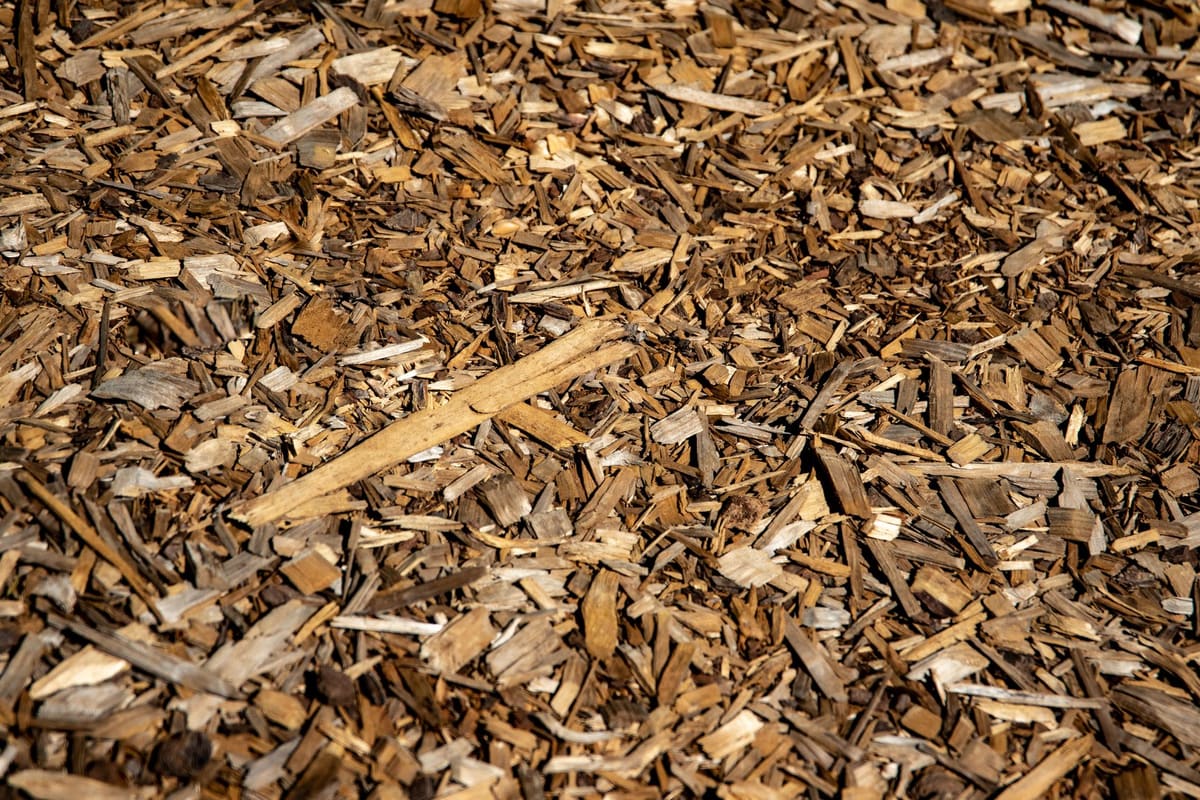 Photo by Magda Ehlers on Pexels
If you only have one afternoon and forty dollars, spend it here first. These three moves do more for how “finished” a yard looks than almost anything else on this list, and they’re the foundation everything else builds on.
Mulch your beds and edges first. A fresh layer of mulch is the fastest, cheapest way to make a yard look intentional. It covers bare dirt, suppresses weeds, and gives every bed a clean, uniform color that reads as “designed” even if nothing else has changed. A few bags from a home center run $3 to $5 each, and a couple hours of spreading transforms tired-looking beds into ones that look freshly planted.
Define your bed edges cleanly. Edging is the line between “yard” and “landscaped yard.” A crisp, consistent edge between lawn and bed, even a simple half-moon cut with a spade, does more for polish than adding more plants. If you want something more permanent, basic steel or plastic edging costs very little per linear foot and installs in an afternoon.
Add one clear focal point. Instead of scattering small touches across the whole yard, put your effort into a single standout: a large repurposed planter by the front door, a well-placed boulder, or one small tree. One deliberate focal point reads as intentional. Five small, scattered touches read as clutter, even when they cost the same.
Free and Nearly-Free Materials
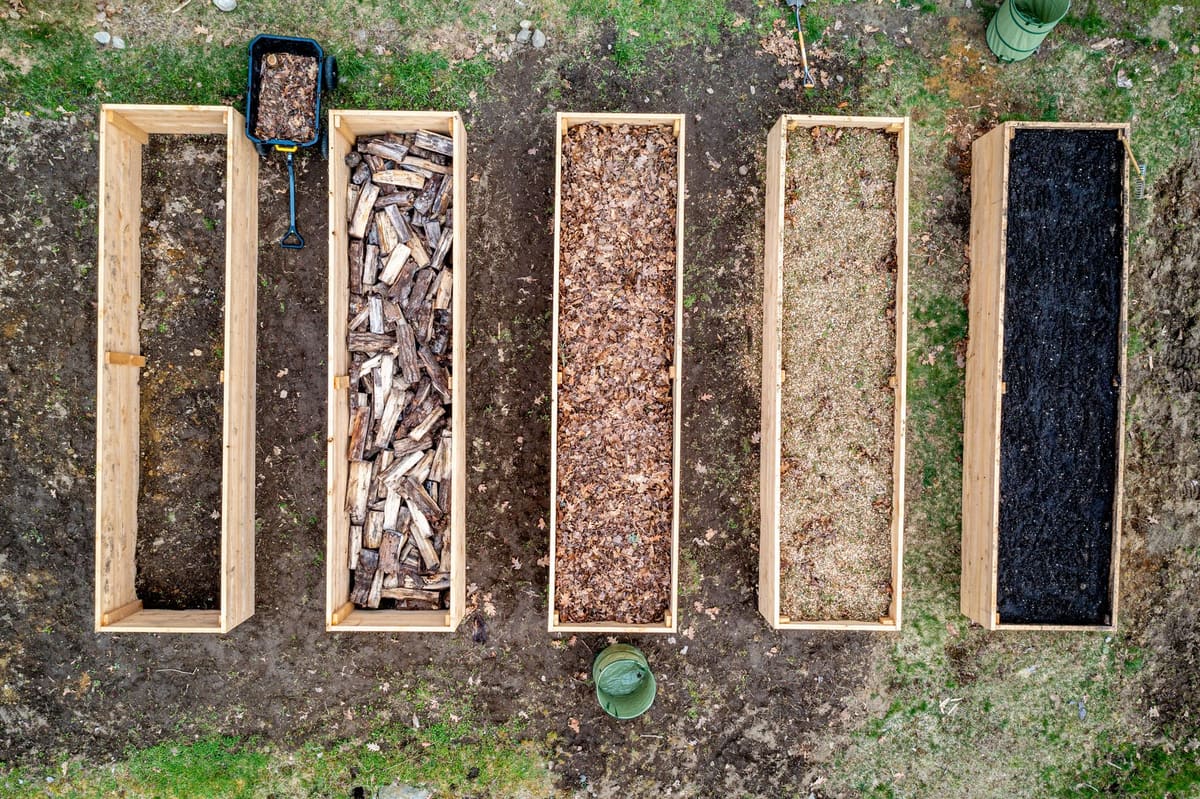 Photo by Skyler Ewing on Pexels
Once the fundamentals are handled, the next layer of savings comes from sourcing materials for free or close to it. This is where a budget yard makeover starts to feel less like “doing it cheap” and more like “doing it smart.”
- Free wood-chip mulch. Local tree services often give away wood chips just to avoid hauling them to a dump, and many municipalities run free mulch drop-off sites for residents. Lawn Love’s roundup of budget landscaping projects points to the same trick: a quick call to a tree company or a look at your city’s public works page can turn a $150 mulch order into a free trailer load.
- Native plants and perennials. Native species are adapted to your local rainfall and soil, so they need less watering and fertilizing once established, and perennials come back year after year instead of needing to be replaced every spring. The upfront cost is similar to annuals; the year-over-year savings are not.
- Seed swaps and plant divisions. Spring plant swaps are common in most towns, and many gardeners are happy to give away divisions of perennials that have outgrown their space, things like hostas, daylilies, and ornamental grasses. Starting flowers from seed instead of buying nursery starts also cuts costs dramatically, even if it takes a little more patience.
- Repurposed containers and reclaimed materials. An old wash basin, a wooden crate, or a chipped ceramic pot all work as planters with a coat of paint or nothing at all. Reclaimed brick or stone, whether from a demolition site, a neighbor’s leftover pile, or a salvage yard, makes a serviceable bed border for a fraction of the cost of new pavers.
DIY Hardscaping on a Budget
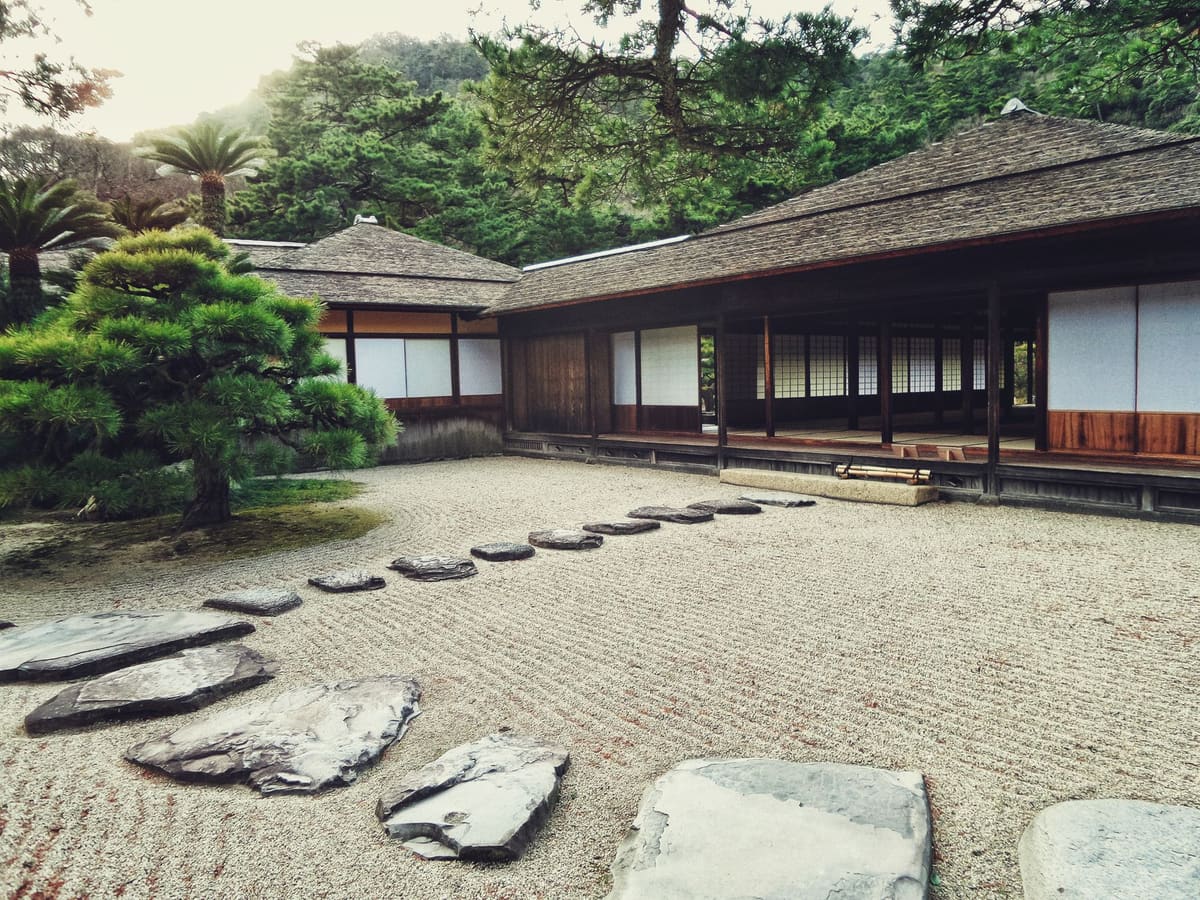 Photo by Pixabay on Pexels
Hardscaping is usually where landscaping budgets balloon, but the DIY versions of these ideas cost a small fraction of the professionally installed ones.
Gravel or stepping-stone paths instead of poured concrete. A poured concrete path requires forms, mixing, and often a contractor. A gravel path or a line of stepping stones set into the lawn needs a weekend, a bit of landscape fabric to block weeds, and materials that run a few dollars a square foot. Both options look intentional and hold up well with minimal upkeep.
Simple edging to frame beds. Metal, plastic, or reclaimed brick edging keeps mulch and soil from creeping into the lawn and keeps grass from creeping into the beds. It’s a small material cost that pays off every time you mow, since you’re not constantly re-trimming a blurry bed line.
A small water feature or rain barrel. A basic recirculating fountain kit, the kind that fits in a half-barrel or a large ceramic pot, gives a yard a focal point and the sound of moving water for well under $150. A rain barrel does double duty: it’s a low-cost accent near a downspout and it cuts your outdoor watering bill over the season.
Plant Choices That Keep Costs Down Long-Term
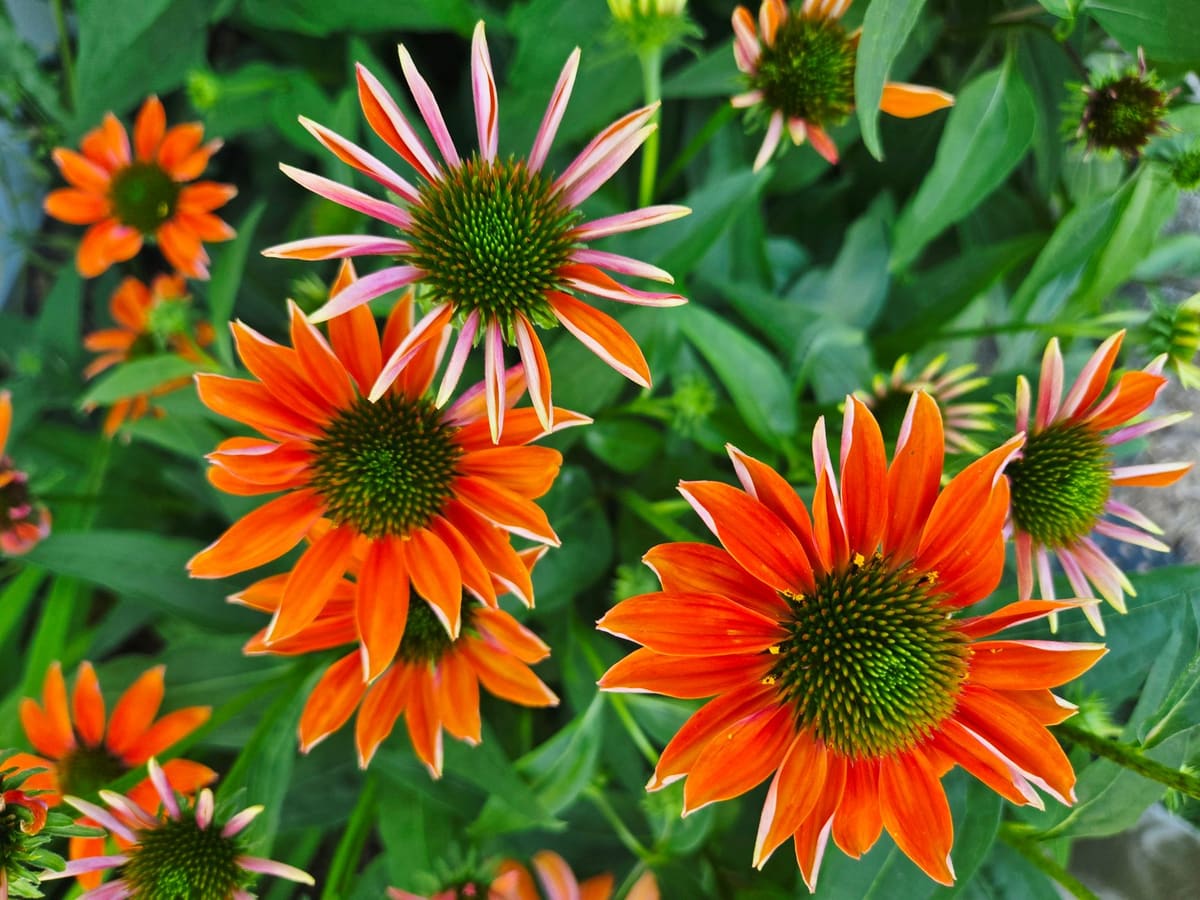 Photo by Kevin Early on Pexels
The plants you choose now determine how much you’ll spend on this yard for years to come. A few smart choices upfront save real money down the line.
Groundcover instead of grass in tricky patches. Shady strips, slopes, and narrow side yards are often the hardest parts of a lawn to keep looking good, and usually the least noticed anyway. Swapping those spots for a low groundcover like creeping thyme or clover cuts down on mowing, watering, and reseeding in exactly the areas that give grass the most trouble.
Perennials and natives over annuals. Annual flowers look great for one season and then need to be replaced, every single year, at full price. Perennials and native plants cost more or less the same to buy but come back on their own, which means the second and third years of your landscaping budget shrink dramatically compared to a yard planted entirely in annuals.
Vertical gardening and window boxes. A trellis with climbing vines or a couple of window boxes add real color and texture without needing much square footage or many plants. For small yards especially, this is one of the most efficient ways to add visual interest per dollar and per square foot.
Budget Lighting and Finishing Touches
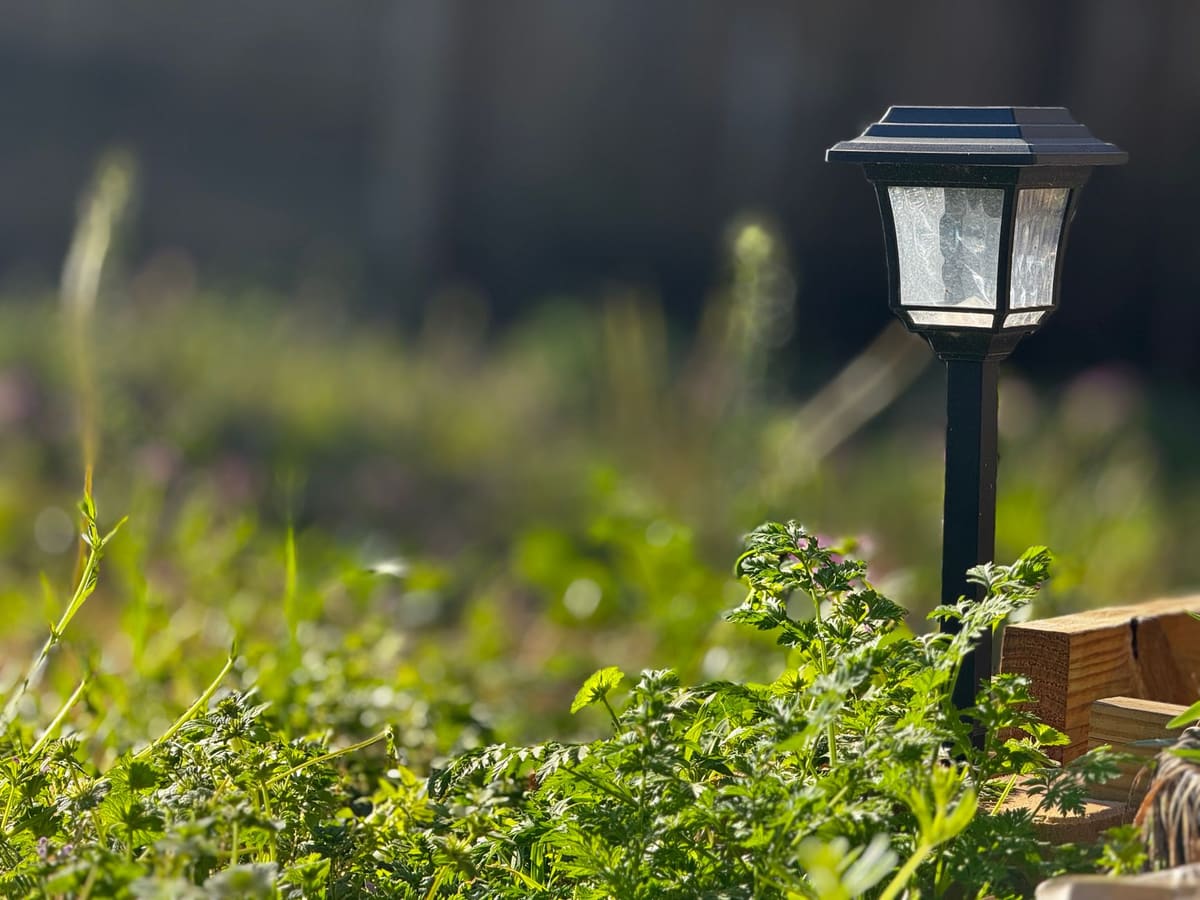 Photo by Amy k on Pexels
The last layer is the small stuff, and it matters more than its price tag suggests, especially once the sun goes down.
Solar path lights and string lighting. Solar stake lights along a walkway or bed edge need no wiring and no electrician, just a few hours of full sun during the day to run all evening. A string of warm-white lights along a fence or pergola extends the yard’s usefulness well past dinner time for the cost of a single strand.
A mailbox or entryway bed. A small planted bed around the mailbox or a pair of pots flanking the front door is one of the cheapest, highest-visibility upgrades on this whole list. Lawnstarter’s guide to affordable landscaping calls out the same idea: it’s the first thing anyone sees when they pull up, and it costs almost nothing to maintain once planted.
Rock gardens and pebble accents. For the driest, sunniest, or most awkward corners of a yard, a bed of decorative rock or pebbles paired with a few drought-tolerant plants creates a no-mow, low-water zone that still looks deliberate rather than neglected.
Keep It Looking Good Without Spending More
This is the part most budget landscaping advice skips: what happens after the first weekend of work. A yard that looks great the day it’s planted but falls apart by the following summer isn’t actually a budget win, it just delays the spending.
The fix starts before you plant anything. Choosing perennials and natives suited to your actual sun, soil, and rainfall means less replacing, less babying, and less emergency spending when something dies in a heat wave. Grouping plants by their water needs (called hydrozoning) means you’re not overwatering drought-tolerant plants just because they share a bed with thirstier ones.
After that, upkeep is genuinely light: top off mulch once a year to keep weeds down and beds looking fresh, divide perennials every few years as they get crowded (which also gives you free plants for other spots or to swap with neighbors), and resist the urge to add more than the yard can support. If you want the full long-game approach, from plant selection to seasonal upkeep, it’s worth reading through a complete guide to keeping a yard low-maintenance for the long haul once you’ve got the basics in place.
Frequently Asked Questions
What is the cheapest way to landscape a yard?
Mulch, free or swapped plants, and DIY edging give you the biggest visual change for the least money. Skip poured hardscaping and expensive structures until the basics are handled; they add the least value per dollar early on.
What can I do instead of grass to save money?
Groundcover, clover, gravel, or mulch beds all cut down on watering, mowing, and reseeding costs over time, especially in patchy or shady areas where grass struggles anyway. They also tend to look better in those exact spots than thin, stressed lawn does.
How can I make my yard look landscaped without hiring a pro?
Focus on three things: clean bed edges, one clear focal point, and consistent mulch color throughout. Those three elements read as “designed” to the eye even when the plants and materials themselves are basic and inexpensive.
Where can I get free landscaping materials?
Local tree services often give away wood-chip mulch just to avoid a dump run, neighbors are usually happy to split perennial divisions, and community plant swaps are common in spring in most towns. A quick search or a call to your city’s public works department can also turn up free mulch drop-off programs.
What are the cheapest plants for landscaping?
Perennials, native species, and seed-grown annuals cost far less over time than nursery-grown annual flats that need replacing every season. The upfront cost is comparable to annuals, but you’re not buying the same plants again next spring.
Is gravel or mulch cheaper for landscaping?
Mulch is usually cheaper upfront and better for soil health, since it breaks down and feeds the soil over time. Gravel costs more initially but needs replacing far less often, so the two tend to even out over a longer stretch of years.
How much does DIY landscaping save compared to hiring a landscaper?
Professional design and installation commonly runs into the thousands of dollars, even for a modest yard. Keller Lawn and Landscape’s breakdown of small-yard budgets backs this up: most DIY versions of the same ideas, mulching, basic beds, simple paths, cost a few hundred dollars or less in materials.
How do I landscape a small yard on a budget?
Prioritize vertical gardening, one strong focal point, and a gravel or stepping-stone path, since small spaces need far fewer materials to look complete. A small yard done well often looks more finished than a large one done halfway.


