10 Ways to Make Your Small Living Room Feel Bigger
You don't need square footage to have a beautiful, spacious-feeling living room. These designer-approved tricks will open up even the tiniest space.
Living in a small space doesn’t mean living in a cramped one. With the right furniture, color choices, and styling tricks, you can transform even the most compact living room into a place that feels open, airy, and entirely intentional.
Here are the ten approaches designers swear by:
1. Choose Furniture with Legs
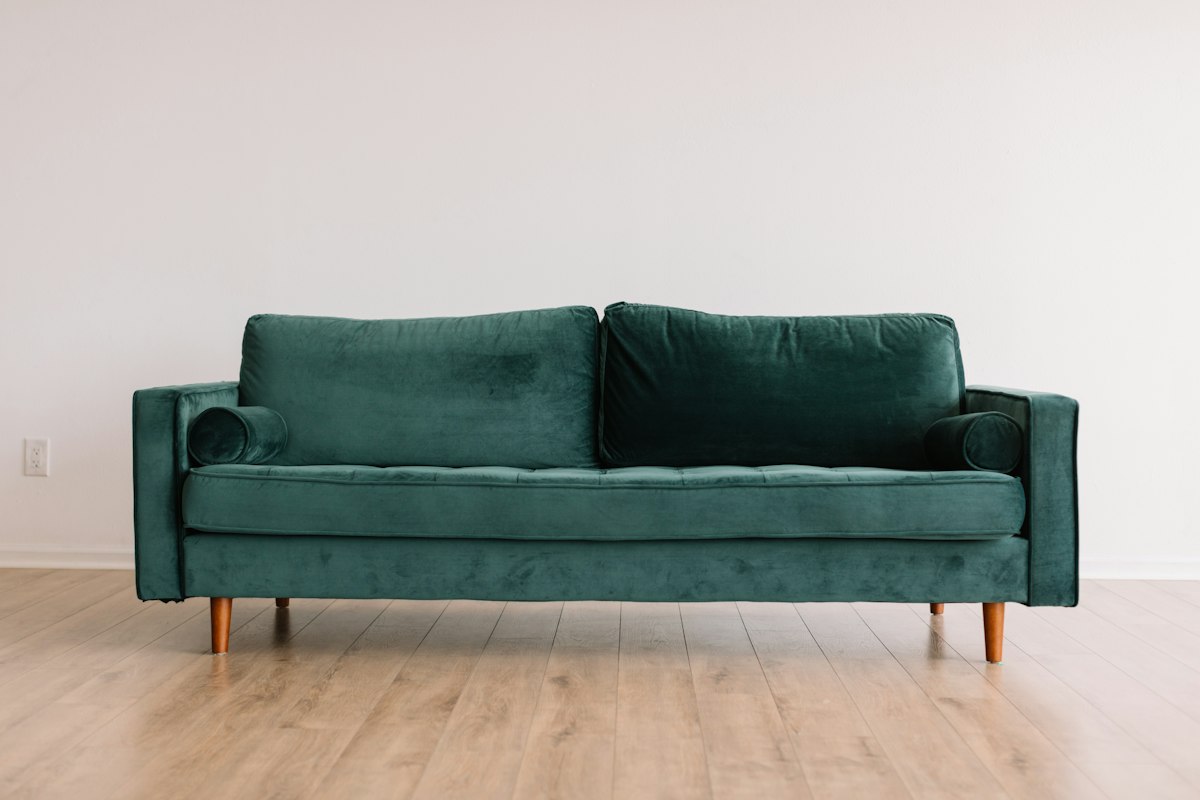
Sofas, chairs, and side tables that sit on visible legs create a sense of visual continuity with the floor. Your eye can travel under the furniture, which makes the room feel less dense and more open.
2. Hang Curtains High and Wide
Mount curtain rods close to the ceiling and extend them 6–12 inches beyond the window frame on each side. This draws the eye upward and makes windows — and the room — appear larger than they are.
3. Use a Large Area Rug
Counterintuitive as it sounds, a large rug actually makes a room feel bigger. A rug that’s too small makes the space feel choppy. Aim for a rug that sits under the front legs of all your seating.
4. Add a Mirror Strategically
A large mirror placed opposite a window reflects natural light and essentially doubles the perceived depth of the room. It doesn’t have to be a statement piece — even a simple frameless mirror works beautifully.
5. Embrace a Light, Monochromatic Palette
Walls, trim, and ceiling in similar light tones make the boundaries of a room visually recede. Try warm whites, soft creams, or pale sage. The fewer color breaks, the more continuous and spacious the space reads.
6. Clear the Clutter
Nothing makes a small room feel smaller than visual noise. Be ruthless about what’s on display. Choose a few meaningful objects and give them room to breathe rather than covering every surface.
7. Opt for Multi-Functional Furniture
A storage ottoman replaces a coffee table and adds hidden storage. A console that doubles as a desk. A nesting side table that tucks away when not in use. Every piece should earn its place.
8. Use Vertical Space
Floor-to-ceiling bookshelves or tall plants draw the eye upward, which creates the feeling of height. Vertical storage also gets items off the floor, freeing up visual and physical space.
9. Choose Transparent or Reflective Materials
A glass or acrylic coffee table takes up no visual “weight.” Metallic accent pieces bounce light around the room. These materials give you function without mass.
10. Streamline Your Lighting
Replace a heavy overhead fixture with recessed lighting or wall sconces. Table lamps with slender bases take up less visual space than chunky floor lamps. Good lighting also prevents the shadowy corners that make rooms feel smaller.
The secret to a well-designed small living room isn’t tricks — it’s intention. Every piece you bring in should be chosen carefully, placed deliberately, and serve a purpose. When you do that, even 200 square feet can feel like home.